Key facts
- Start in the Sacred Valley, which is lower than Cusco, continue with Machu Picchu and save Humantay or Rainbow Mountain for the end.
- Chinchero and Moray are higher than Cusco: visit them on the way through, but sleep on the valley floor.
- The Machu Picchu ticket is the first thing to sell out: buy it first and plan everything else around that date.
- With 3 days you see the valley, Machu Picchu and Cusco; with 5 you add Maras, Moray and the high mountains; with 7, the South Valley.
- The full Tourist Ticket is valid for 10 days and covers almost every site outside Machu Picchu, except the Qorikancha, the Cathedral and the salt mines.
- For the Inca Trail or the Salkantay, add two days of acclimatization before the trek.
In this guide
- Principles for planning your itinerary
- 3-day itinerary: Sacred Valley, Machu Picchu and Cusco
- 5-day itinerary: with Maras, Moray and the high mountains
- 7-day itinerary: all of Cusco without rushing
- The three itineraries at a glance
- Variations for your trip
- Common planning mistakes
- What to book before your trip, and in what order
- Next step: what to do in your case
With 3 days in Cusco you can see the Sacred Valley, Machu Picchu and the city; with 5 days you add Maras, Moray and a high-altitude day trip, and with 7 days you can fit in the South Valley without rushing. The order matters as much as the places: start in the Sacred Valley, which sits lower, visit Machu Picchu, and save the hikes above 4,000 m for the end.
Below you’ll find each itinerary day by day, with morning, afternoon and evening, which tickets and transportation you need and where to sleep, followed by variations with trekking, with kids, on a tight budget and in 10 days.
Principles for planning your itinerary
Start low and finish high
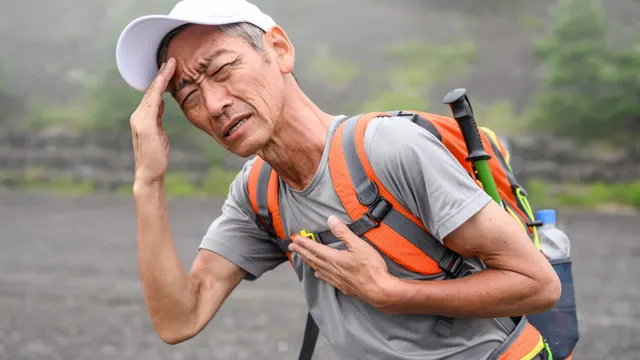
Cusco sits at about 3,399 m, and your body needs a day or two to adjust. That’s why we recommend heading straight down to the Sacred Valley on the day you arrive: Pisac is at 2,972 m and Ollantaytambo at 2,792 m. Then you go on to Aguas Calientes (2,040 m) and Machu Picchu (2,430 m), and return to Cusco already acclimatized. Humantay Lake (4,200 m) and Rainbow Mountain (5,036 m) go at the end, never before day three.
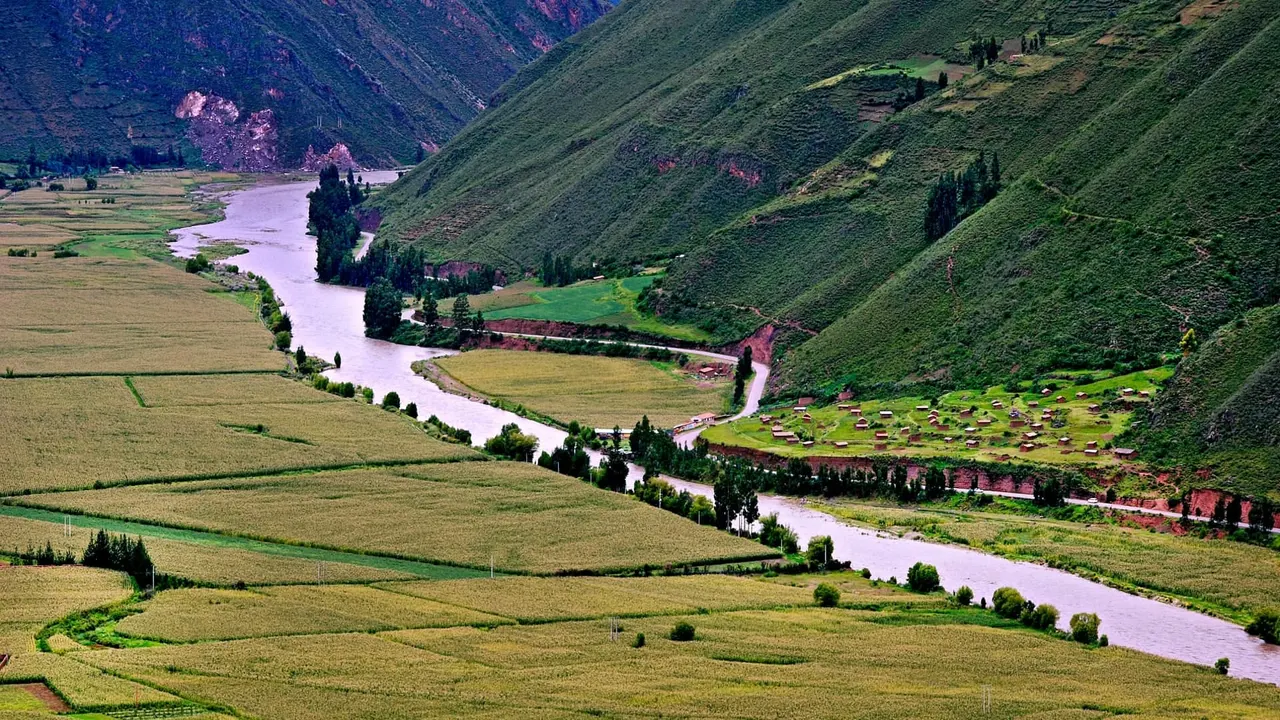
Important: not all of the Sacred Valley is low. Chinchero (3,760 m) and Moray (about 3,500 m) are on the high plateau, above Cusco. Visit them on the way through, but sleep on the valley floor, in Pisac, Urubamba or Ollantaytambo.
Your Machu Picchu ticket sets everything else
The Machu Picchu ticket has a date, an entry time and a route, and daily capacity is limited. It’s the first thing to sell out, so it’s the fixed point of your trip: buy it, then fit the train, hotels and day trips around it. If the only availability is on your second or third day, put the city and the valley first, and still save the high mountains for later.
For a first guided visit we recommend Circuit 2 (Classic), which covers most of the urban sector. Huayna Picchu has few daily spots and sells out sooner. Compare all ten routes in Machu Picchu circuits.
The season changes the plan
- May to September: dry season and peak season, with clear skies and very cold nights. Tickets and trains sell out sooner.
- November to March: frequent afternoon rain and fewer visitors. Do anything outdoors in the morning.
- February: the Inca Trail closes for maintenance; Machu Picchu stays open.
- January to April: all PeruRail departures from Cusco are bimodal, with a bus to Ollantaytambo or Pachar.
- High mountains: Humantay and Rainbow Mountain are best from April to November; long treks, from April to October.
- June 24: Inti Raymi, the busiest week of the year.
Don’t stack early starts back to back
High-altitude day trips usually pick you up between 4:00 and 4:30 a.m., and a same-day trip to Machu Picchu leaves between 4:00 and 5:00 a.m. Two predawn starts in a row take a toll at altitude: alternate a demanding day with an easy one and group nearby sites together, like Chinchero, Maras and Moray on the way to Ollantaytambo.
One Tourist Ticket for almost everything else
The Cusco Tourist Ticket includes Sacsayhuamán, Qenqo, Puka Pukara, Tambomachay, Pisac, Ollantaytambo, Chinchero, Moray, Tipón and Pikillacta. The full ticket is valid for 10 days and includes all three circuits, so it covers any of these itineraries; for the valley alone, there’s a 2-day partial ticket for the Sacred Valley. It doesn’t include the Qorikancha, the Cathedral, the Maras Salt Mines or Andahuaylillas, which have their own admission.
3-day itinerary: Sacred Valley, Machu Picchu and Cusco
This is the reasonable minimum for a first visit. We count three full days: you arrive on a morning flight on day 1 and leave on day 4.
Day 1: Arrival, Sacred Valley and train to Aguas Calientes
- Morning: from the airport, head straight down to the valley. First stop: Pisac, an hour away, with Inca terraces and a craft market.
- Afternoon: lunch in Urubamba, the Ollantaytambo fortress and the train to Aguas Calientes, 1 h 30 min to 2 h.
- Evening: a light dinner and an early night.
- You need: the Tourist Ticket (full or the Sacred Valley partial ticket), train and hotel.
- Where to sleep: Aguas Calientes.
Days 1 and 2 are the classic two-day format with a night in Aguas Calientes. You can organize it on your own or with an authorized agency; either way, you’ll need transfers, train, bus, ticket, hotel and guide. Details on the visit itself are in our Machu Picchu guide.
Tip: only carry-on luggage is allowed on the train. If you’re traveling with PeruRail, leave your large suitcase at its free luggage storage in Ollantaytambo and pick it up on the way back to Cusco.
Day 2: Machu Picchu and back to Cusco
- Morning: the bus up (the first one leaves at 5:30 a.m. and takes 25 to 30 minutes) and a guided visit of about 2 h 30 min, with fewer groups and good light.
- Afternoon: lunch in town, the train to Ollantaytambo and 1 h 45 min by road to Cusco.
- Evening: you reach Cusco after dark; get some rest.
- You need: a ticket with an entry time and route, the round-trip Consettur bus, the return train, a guide and your original passport.
- Where to sleep: Cusco.
Day 3: Cusco on foot and the nearby ruins
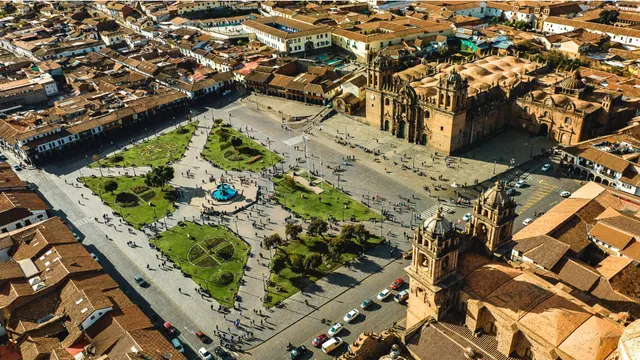
- Morning: the Plaza de Armas, the Cathedral, Hatun Rumiyoc Street with the Twelve-Angled Stone, and San Blas. Lunch at San Pedro Market.
- Afternoon: the Qorikancha and the sites just outside the city, Sacsayhuamán, Qenqo, Puka Pukara and Tambomachay, at about 3,765 m, on a city tour or on your own. More ideas in things to do in Cusco.
- Evening: dances at the Centro Qosqo de Arte Nativo, included in the Tourist Ticket.
- You need: the Tourist Ticket, admission to the Qorikancha and the Cathedral, and a city tour or a taxi.
- Where to sleep: Cusco. Fly out the next morning.
Tip: if you’d rather go on your own, take a taxi to Tambomachay and walk down past Puka Pukara, Qenqo and Sacsayhuamán to the center. It’s almost all downhill.
5-day itinerary: with Maras, Moray and the high mountains
One night in the valley, another in Aguas Calientes and a high-altitude day trip at the end, once you’re acclimatized.
Day 1: Arrival and Pisac
- Morning: from the airport to the valley, and the Pisac terraces at your own pace.
- Afternoon: the Pisac market and some rest: this is your acclimatization day.
- Evening: a light dinner with no alcohol, which is best avoided for the first 48 hours.
- You need: an airport transfer and the full Tourist Ticket.
- Where to sleep: Pisac or Urubamba.
Day 2: Maras, Moray, Ollantaytambo and the train
- Morning: the circular terraces of Moray and the Maras Salt Mines. Walk slowly: you’re higher than Cusco.
- Afternoon: the Ollantaytambo fortress and the train to Aguas Calientes.
- Evening: a short stroll and an early night.
- You need: the Tourist Ticket, admission to the salt mines and the train.
- Where to sleep: Aguas Calientes.
Day 3: Machu Picchu
- Morning: one of the first time slots, which start at 6:00 a.m., with a guide on Circuit 2.
- Afternoon: the train to Ollantaytambo and a transfer to Cusco.
- Evening: a quiet night in Cusco.
- You need: a ticket, the bus up and down, the train and a guide.
- Where to sleep: Cusco.
Day 4: Cusco and the nearby ruins
- Morning: the historic center on foot: the Plaza de Armas, the Cathedral, San Blas and San Pedro Market.
- Afternoon: the Qorikancha and the ruins just outside the city, on a city tour or on your own.
- Evening: an early dinner: tomorrow’s pickup is before dawn.
- You need: the Tourist Ticket and admission to the Qorikancha.
- Where to sleep: Cusco.
Day 5: Rainbow Mountain or Humantay Lake
- Morning: pickup between 4:00 and 4:30 a.m. and about 3 hours on the road. Then a 1 h 30 min to 2 h climb up Vinicunca (5,036 m), or 1 h 30 min up to Humantay (4,200 m).
- Afternoon: lunch on the way and the drive back to Cusco.
- Evening: your last night; pack your bag for the flight.
- You need: a day trip or private transportation to Rainbow Mountain or Humantay, warm clothes and cash in soles for the community entrance fee.
- Where to sleep: Cusco. Fly out the next day.
If your five days include your departure flight, drop day 5: the trip takes the whole day. Whatever you cut, keep the order: start in the Sacred Valley and leave the high mountains for the end.
7-day itinerary: all of Cusco without rushing
Two nights in the valley, one in Aguas Calientes with a free afternoon, the South Valley and the high mountains at the end.
Day 1: Arrival and Pisac
- Morning: a transfer to the valley and some rest.
- Afternoon: the Pisac archaeological park and market.
- Evening: a light dinner in town.
- You need: the full Tourist Ticket, which is valid for 10 days and covers the whole week.
- Where to sleep: Pisac or Urubamba.
Day 2: Chinchero, Moray and Maras
- Morning: Chinchero, with its colonial church built on Inca walls and its weavers, at 3,760 m.
- Afternoon: Moray, the Maras Salt Mines and the drive down to Ollantaytambo.
- Evening: a walk through the town’s streets and Inca water channels.
- You need: the Tourist Ticket, admission to the salt mines and a taxi or tour.
- Where to sleep: Ollantaytambo.
Day 3: Ollantaytambo fortress and the train
- Morning: the fortress early, when it’s less crowded.
- Afternoon: the train to Aguas Calientes, then the hot springs or the Manuel Chávez Ballón Site Museum.
- Evening: an early night.
- You need: the Tourist Ticket and the train.
- Where to sleep: Aguas Calientes.
Day 4: Machu Picchu, with a mountain if you like
- Morning: the first time slot on Circuit 2, or with a mountain: Route 3-A to Huayna Picchu includes the royal sector; Route 1-A to Machu Picchu Mountain gives the widest view but doesn’t go through the urban sector.
- Afternoon: the train and a transfer to Cusco. If you’re doing a mountain, choose a mid-afternoon train or later: Route 1-A lets you stay up to 7 hours, and Huayna Picchu up to 6.
- Evening: arrival in Cusco.
- You need: a ticket for your chosen route, the bus, the train and a guide.
- Where to sleep: Cusco.
Day 5: Cusco and the nearby ruins
- Morning: San Blas, its workshops and viewpoints.
- Afternoon: the Qorikancha, Sacsayhuamán and the other sites just outside the city.
- Evening: a peña with live Andean music.
- You need: the Tourist Ticket and admission to the Qorikancha.
- Where to sleep: Cusco.
Day 6: South Valley and a free afternoon
- Morning: a half day in the South Valley: the Inca water channels of Tipón, the Wari city of Pikillacta and the church of Andahuaylillas, the “Sistine Chapel of the Americas.”
- Afternoon: chicharrón in Saylla or roast guinea pig in Tipón, then some rest in Cusco.
- Evening: an early dinner: tomorrow you leave before dawn.
- You need: the Tourist Ticket, admission to Andahuaylillas and transportation.
- Where to sleep: Cusco.
Day 7: The high mountains
- Morning: Rainbow Mountain, Humantay Lake or, with less effort, Palcoyo: a short hike at about 4,900 m with few visitors.
- Afternoon: back to Cusco.
- Evening: a farewell dinner.
- You need: a day trip or private transportation, warm clothes and cash in soles.
- Where to sleep: Cusco. Fly out the next day.
The three itineraries at a glance
| Day | 3 days | 5 days | 7 days |
|---|---|---|---|
| 1 | Pisac, Ollantaytambo and train · night in Aguas Calientes | Pisac · night in the valley | Pisac · night in the valley |
| 2 | Machu Picchu · night in Cusco | Maras, Moray, Ollantaytambo and train · night in Aguas Calientes | Chinchero, Moray and Maras · night in Ollantaytambo |
| 3 | Cusco and nearby ruins · night in Cusco | Machu Picchu · night in Cusco | Ollantaytambo and train · night in Aguas Calientes |
| 4 | Departure flight | Cusco and nearby ruins | Machu Picchu · night in Cusco |
| 5 | — | Rainbow Mountain or Humantay | Cusco and nearby ruins |
| 6 | — | Departure flight | South Valley |
| 7 | — | — | Rainbow Mountain, Humantay or Palcoyo |
| Highest point | About 3,765 m (Tambomachay) | 4,200 m or 5,036 m | 4,200 m to 5,036 m |
| Best for | A first visit on limited time | A complete first visit | A relaxed, varied trip |
Variations for your trip
With the Inca Trail
The classic 4-day Inca Trail replaces the train on the way there and ends at Machu Picchu. It can only be done with an authorized tour agency, and you need two days of acclimatization beforehand:
- Days 1 and 2: the Sacred Valley and the city of Cusco with its nearby ruins.
- Days 3 to 6: the Inca Trail from km 82, crossing the Warmiwañusqa pass (4,215 m) on day two and arriving through the Sun Gate on day four. That night you take the train back to Cusco.
- Day 7: rest and San Blas.
If you have fewer days, the 2-day Short Inca Trail, from km 104, replaces days 2 and 3 of the 5-day itinerary: a hike to the Sun Gate, a night in Aguas Calientes and a guided visit the next day.
Important: Inca Trail permits are issued in your name, can’t be transferred to someone else and sell out months ahead: for May to August, book four to six months in advance. The trail is closed all of February.
With the Salkantay
The 5-day Salkantay trek doesn’t require a limited permit, but it crosses a 4,630 m pass on day two. Add two days of acclimatization beforehand and a rest day at the end: about eight days in all. Don’t book Humantay separately, because the trek climbs to the lake on day one. Best time: April to October.
With kids
- Spend the first nights in the Sacred Valley and leave Cusco for the end.
- Do Machu Picchu with a night in Aguas Calientes, not as a same-day round trip.
- Choose Route 3-B, the shortest (1.3 km). Strollers aren’t allowed.
- Children under 3 enter free; ages 3 to 17 pay the child rate.
- Swap Rainbow Mountain for Palcoyo, which has a much shorter hike.
More details in Machu Picchu with kids.
On a tight budget
- Travel in April, May, September or October: good weather and lower demand.
- Reach Machu Picchu via Hidroeléctrica: about 7 hours by road and 2 h 30 min on foot. It takes a whole day, so the 3-day plan becomes 4. Avoid it from November to March because of landslides.
- On the train, choose the economy class: Expedition or The Voyager.
- Explore the area around Cusco on your own with the full Tourist Ticket, and eat the menú del día (set lunch) at the markets.
In 10 days: Lares, South Valley and Palcoyo
- Days 1 and 2: the Sacred Valley: Pisac, Chinchero, Moray and Maras.
- Days 3 to 6: the Lares trek through weaving communities, with passes above 4,400 m and no limited permit. It ends in Ollantaytambo, where you catch the train, and on the last day you visit Machu Picchu.
- Day 7: Cusco and its nearby ruins.
- Day 8: the South Valley.
- Day 9: Palcoyo or Humantay Lake.
- Day 10: a free day before your flight.
Without a trek, take the 7-day itinerary and add Humantay, Palcoyo and a rest day.
Common planning mistakes
- Doing Rainbow Mountain on day 1 or 2. It’s the highest point of the trip: save it for the end.
- Buying flights and train tickets before your Machu Picchu ticket. The ticket sells out first and sets your dates.
- Scheduling Machu Picchu on the day of your departure flight. The return trip gets you to Cusco after dark.
- Sleeping in Chinchero or Moray thinking the valley is low. They’re higher than Cusco.
- Bringing your large suitcase to Aguas Calientes. Only carry-on luggage is allowed on the train.
- Counting on the Tourist Ticket for everything. It doesn’t include Machu Picchu, the Qorikancha, the Cathedral or the salt mines.
What to book before your trip, and in what order
| Order | What to book | How far in advance |
|---|---|---|
| 1 | Inca Trail permit, if you’re doing it | 4 to 6 months for May to August; 2 or 3 months the rest of the year |
| 2 | Machu Picchu ticket | 1 to 3 months in peak season (May to October); earlier if you want Huayna Picchu |
| 3 | Train to Aguas Calientes | 2 to 4 weeks, according to PeruRail; more in June, July, August, December and January |
| 4 | Flights to Cusco | As soon as you have your Machu Picchu date |
| 5 | Hotels in the valley, Aguas Calientes and Cusco | After the ticket and the train |
| 6 | Day trips and guides | Once your Machu Picchu day is set |
Choose morning flights: in the afternoon, high-altitude winds cause more delays in Cusco. If you’re traveling during Inti Raymi week, move every deadline earlier.
Next step: what to do in your case
With 3 days: the valley, Machu Picchu with a night in Aguas Calientes, and Cusco at the end. With 5, add Maras, Moray and the high mountains. With a week or more, add the South Valley or a trek, which is best decided months in advance. In every case, start with your Machu Picchu ticket and build the rest around that date.
Before you travel, read up on how to prevent altitude sickness in Cusco, the Cusco weather month by month and all the ways to get to Machu Picchu from Cusco. If you’d rather not coordinate tickets, trains, hotels and guides separately, an authorized agency can bundle them; check carefully what is included before you pay.
Frequently asked questions
How many days do you need for Cusco and Machu Picchu?
We recommend 4 to 5 days. Three days is enough for the essentials, but leaves no room for high-altitude day trips.
Should you go to the Sacred Valley first or stay in Cusco?
Go to the Sacred Valley first. It’s lower than Cusco, so you acclimatize better in your first few days, and it’s on the way to the Machu Picchu train.
Which day of the trip should you visit Machu Picchu?
Between day two and day four, after the Sacred Valley. Never on the day of your departure flight, because the return trip gets you to Cusco after dark.
When should you do Rainbow Mountain in your itinerary?
At the end of the trip, no earlier than your third day at altitude. It sits at 5,036 m, and the lack of oxygen is the real challenge.
Can you visit Cusco and Machu Picchu in 2 days?
Yes, but only Machu Picchu and a bit of the Sacred Valley on the way to the train. The city of Cusco and its surroundings would be left out.
Where should you stay on a 5-day trip to Cusco?
One night in the Sacred Valley, one in Aguas Calientes to enter Machu Picchu early, and the rest in Cusco.
Is the full Cusco Tourist Ticket worth it?
Yes, if you’re visiting the ruins around the city and the Sacred Valley. It’s valid for 10 days and includes all three of the ticket’s circuits.
Official sources
- Tu Boleto (Ministry of Culture): official ticket sales
- Ministry of Culture: Machu Picchu circuits and visiting routes
- Cosituc: Cusco Tourist Ticket prices and validity
- PeruRail: train schedules and frequencies
- PeruRail: bimodal service
- PeruRail: luggage policy
- Andina: the Inca Trail closes in February for maintenance
- SENAMHI: climate data for Peru