Key facts
- Chiri uchu is Cusco’s signature dish, eaten mainly at Corpus Christi and in June.
- The South Valley is the great food route: chicharrón in Saylla, roast guinea pig in Tipón, pan chuta in Oropesa and trout in Lucre.
- San Pedro Market is the cheapest place to try soups, juices, lechón and set lunches.
- Adobo is the Sunday breakfast, and many picanterías only make it on that day.
- For your first days at altitude, start with soups and light dishes, and don’t drink tap water.
- Kapchi, choclo con queso and quinoa soup are traditional options for vegetarians.
In this guide
- 1. Chiri uchu
- 2. Cuy al horno (roast guinea pig)
- 3. Adobo cusqueño
- 4. Chicharrón
- 5. Lechón al horno
- 6. Rocoto relleno
- 7. Caldo de gallina
- 8. Kapchi
- 9. Choclo con queso
- 10. Pan chuta
- 11. Fried trout
- 12. Quinoa soup
- Summary table: what to order, where and when
- Traditional Cusco drinks
- Where to eat traditional food in Cusco
- How to eat well and safely at altitude
- If you’re vegetarian or don’t eat guinea pig
- Summary: what to eat for your situation
Traditional Cusco food comes down to 12 dishes: chiri uchu, cuy al horno (roast guinea pig), adobo, chicharrón, lechón, rocoto relleno, caldo de gallina, kapchi, choclo con queso, pan chuta, fried trout and quinoa soup. Almost all of them are built on potatoes, corn, ají peppers and pork, guinea pig or hen. To try them at a good price, head to San Pedro Market, the picanterías downtown and the towns of the South Valley.
Cusco cuisine brings together Andean ingredients with the wood-fired oven, pork and wheat that arrived in colonial times. Many dishes are eaten on a specific day or at a particular festival, and some only in certain towns.
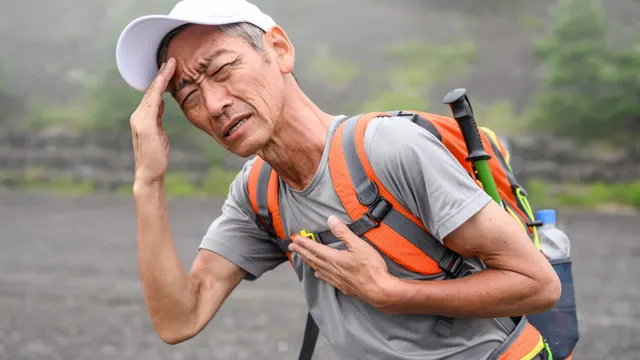
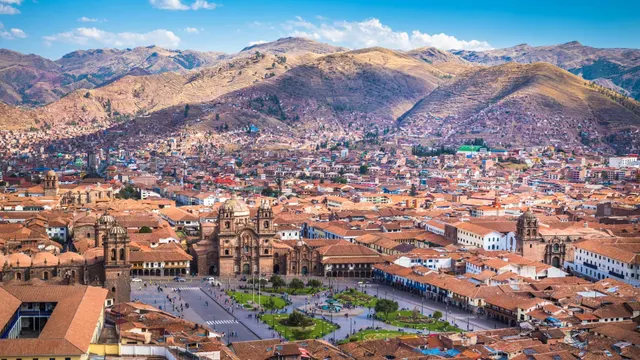
Important: during your first two days in Cusco, at about 3,399 m, many people have less of an appetite or mild nausea. Start with soups and light dishes, and save the chicharrón, lechón and chiri uchu for when you feel well. More details in our guide to altitude sickness in Cusco.
1. Chiri uchu
This is Cusco’s signature dish. Its name in Quechua means “cold pepper,” because it’s served at room temperature. A single plate brings together guinea pig, hen, charqui (jerky), chorizo, cheese, cochayuyo (seaweed), fish roe, torreja (a vegetable fritter), toasted corn and rocoto pepper.
- When: it’s the dish of the Corpus Christi festival, whose date varies but almost always falls in June, and of the patron saint festivals during the city’s jubilee month.
- Where: in June it’s sold at stalls and in homes downtown; the rest of the year, a few picanterías serve it.
- Practical tip: it’s a hearty plate; order it once you’re acclimatized.
2. Cuy al horno (roast guinea pig)
Guinea pigs have been raised in Andean homes since before the Incas, and their meat is the festive meat par excellence. For cuy al horno, the guinea pig is roasted whole, stuffed with herbs such as huacatay (Peruvian black mint), and served with potatoes and rocoto. It’s so important that Cusco Cathedral has a Last Supper with a guinea pig on the table. In Peru it even has its own day: National Guinea Pig Day, every second Friday of October.
- Where: Tipón, in the South Valley, is the town for roast guinea pig. There they also make pepián de cuy (guinea pig stew) and cuy chactado (fried and flattened under a stone).
- Getting there: Tipón is about 23 km from Cusco, around 40 minutes by road. Read our guide to Tipón to pair lunch with its Inca terraces and channels.
- Practical tip: a whole guinea pig is enough for two people. You eat it with your hands, no embarrassment needed.
3. Adobo cusqueño
This is Cusco’s Sunday breakfast. It’s made with pork marinated in chicha de jora (fermented corn beer) and ají pepper, slow-cooked in a pot until the broth turns reddish. It’s served piping hot, with bread, in a deep bowl.
- When: mainly on Sunday mornings. Many picanterías only make it on that day.
- Where: picanterías downtown and in the neighborhoods, and some market stalls.
4. Chicharrón
In Cusco, chicharrón means large chunks of pork that are boiled and then fried in their own fat in copper pans. It’s served with mote (boiled corn), potatoes, mint and an onion salsa. It’s not the crispy pork rind you find in other countries: here it’s juicy meat with a golden outside.
- Where: Saylla, on the way out of Cusco along the road to the South Valley, is the town most famous for its chicharrón. Poroy, on the way out toward Abancay, is also well known.
- When: it’s eaten from mid-morning on. On weekends, we usually see lots of Cusco families packing the restaurants.
- Practical tip: a portion is large; if the altitude has dulled your appetite, share it.
5. Lechón al horno
Tender pork roasted for hours in a wood-fired oven, with crackling skin. It’s sold by the portion and almost always comes with tamales and bread. It’s one of the dishes you see most at festivals and on Sundays.
- Where: at San Pedro Market and in the neighborhoods. Huarocondo, in the province of Anta, is famous for its lechón with tamales.
- When: in the morning or at midday; the lechón runs out early.
6. Rocoto relleno
The rocoto is a large, fleshy and very spicy pepper. To stuff it, it’s boiled several times to tame the heat, filled with ground meat, onion and spices, and baked under a layer of cheese. The dish was born in Arequipa, but in Cusco you’ll find it at almost every picantería.
- Where: picanterías, markets and Peruvian restaurants downtown.
- Practical tip: although cooking mellows it, it can still be spicy. Ask first.
7. Caldo de gallina
Caldo de gallina is the comforting soup of the Andes: free-range hen slow-cooked with potatoes, noodles and herbs, served with a piece of the bird. In Cusco people have it before dawn, at midday or at night, and it’s the classic cure for the cold. In the province of Anta they also make chairo, a thick broth with chuño (freeze-dried potato) and meat.
- Where: at San Pedro Market and the neighborhood soup spots, many of them open from very early in the morning.
- Who it’s for: ideal for your first days of acclimatization and for when you get back from a predawn excursion.
8. Kapchi
A creamy stew of fresh cheese, milk, onion and ají pepper, served over boiled potatoes. There are two versions: kapchi made with tender fava beans and kapchi made with mushrooms, which is prepared when wild mushrooms sprout in the fields during the rainy season.
- Where: picanterías and home-style set menus.
- Who it’s for: it’s one of the best traditional dishes for vegetarians. It’s mild and not very spicy.
9. Choclo con queso
Cusco corn has huge, white, tender kernels. It’s the Maíz Blanco Gigante Cusco (Cusco giant white corn), which has had a designation of origin recognized by Indecopi since 2005 for the provinces of Calca and Urubamba, in the Sacred Valley. It’s eaten simply boiled, with a slice of fresh cheese.
- Where: at the roadside stalls in the Sacred Valley, at the markets in Pisac and Urubamba, and at San Pedro Market.
- Practical tip: it’s the perfect snack on a day trip through the valley that stops in Pisac.
10. Pan chuta
Pan chuta is a large, wide, round bread with a cinnamon-colored crust and a soft, slightly sweet crumb. It comes from Oropesa, in the province of Quispicanchi, a district where most families make their living from baking. Since January 2022, Law 31389 has designated Oropesa the National Capital of Bread.
- Where: at the bakeries in Oropesa, on the South Valley road near Tipón; in Cusco, at San Pedro Market and from the bread sellers on the streets downtown.
- How to eat it: with fresh cheese, with an herbal tea or alongside adobo and lechón.
11. Fried trout
Trout is farmed in high-altitude lakes and rivers throughout the region. It’s served fried or battered, with potatoes, rice and salad. It’s lighter than pork.
- Where: Lucre, in the South Valley, near Pikillacta, is known for its fried trout and roast duck. In the Sacred Valley there are trout farms with restaurants by the river.
- Practical tip: order it well done. Skip trout ceviche for the first few days if you have a sensitive stomach.
12. Quinoa soup
Quinoa is an Andean grain that has been grown for thousands of years. In Cusco it’s cooked mostly in soup, with potatoes, vegetables and sometimes a piece of meat. It’s the first course of the menú del día (set lunch) at many restaurants.
- Where: on the set menus at the market and at budget restaurants; in Novoandean cuisine it also shows up in salads, stews and desserts.
- Who it’s for: the best option for your first meals at altitude, and for vegetarians if you ask for the meatless version.
Summary table: what to order, where and when
| Dish | Main ingredient | Where to try it | Best time |
|---|---|---|---|
| Chiri uchu | Guinea pig, hen, charqui and cured sausages | Downtown Cusco and picanterías | Corpus Christi and June |
| Cuy al horno | Whole guinea pig stuffed with herbs | Tipón | Lunch |
| Adobo | Pork in chicha de jora | Picanterías | Sunday morning |
| Chicharrón | Pork fried in its own fat | Saylla and Poroy | Mid-morning and weekends |
| Lechón al horno | Roast pork with tamales | San Pedro Market and Huarocondo | Morning and midday |
| Rocoto relleno | Rocoto with meat and cheese | Picanterías and markets | Lunch |
| Caldo de gallina | Free-range hen | Market and soup spots | Before dawn or on a cold night |
| Kapchi | Cheese, milk and fava beans or mushrooms | Picanterías | Mushrooms in the rainy season |
| Choclo con queso | Maíz Blanco Gigante Cusco | Sacred Valley and markets | Snack on the road |
| Pan chuta | Wheat | Oropesa and San Pedro Market | Breakfast |
| Fried trout | Farmed trout | Lucre and the Sacred Valley | Lunch |
| Quinoa soup | Quinoa and vegetables | Set lunch menus | First days at altitude |
Traditional Cusco drinks
- Coca tea (mate de coca): an infusion of coca leaves offered to travelers at hotels and in homes. It’s customary to drink it for the altitude, but it’s no substitute for acclimatization. Don’t take leaves or tea bags home with you: coca leaf is banned in many countries.
- Muña tea (mate de muña): an Andean herb similar to mint, usually drunk after a meal; it’s a gentle alternative to coca tea.
- Chicha morada: a soft drink made from purple corn boiled with pineapple, cinnamon and cloves. It has no alcohol.
- Chicha de jora: a fermented corn drink, slightly alcoholic, that goes with traditional dishes. Houses that sell it hang a pole with a red bag or cloth at the door.
- Frutillada: chicha de jora with strawberries, very popular at the picanterías.
Tip: chicha de jora is homemade and its fermentation varies. If it’s your first day in Cusco or you have a delicate stomach, try a small glass and wait until you’ve been in the city a few days. Chicha morada, on the other hand, is fine from day one.
Where to eat traditional food in Cusco
Restaurants change a lot from year to year; what’s useful is knowing what kind of place to look for.
San Pedro Market
This is Cusco’s central market and the cheapest way to eat local. It has a fruit juice area, a food section with soups and set lunches, breads from Oropesa, cheeses and fruit. It’s within walking distance of the Plaza de Armas, next to the San Pedro train station. Go in the morning: by mid-afternoon many stalls have already closed. Bring small bills and keep an eye on your belongings. How to combine it with the rest of the historic center is in our guide to things to do in Cusco.
Picanterías and quintas
These are Cusco’s traditional eateries: wood-fired cooking, long tables, chicha de jora and a chalkboard listing the day’s dishes. Quintas usually have a courtyard. You’ll find some in the historic center, although most are in the neighborhoods where locals eat. They’re mainly open at midday.
The towns of the South Valley
The road heading southeast out of Cusco is the best food route in the region: chicharrón in Saylla, guinea pig in Tipón, pan chuta in Oropesa and trout or duck in Lucre. You can combine it with the archaeological sites of Tipón and Pikillacta and the Church of Andahuaylillas in half a day. Read our guide to Cusco’s South Valley.
Downtown restaurants and Novoandean cuisine
Near the Plaza de Armas and in San Blas, there are restaurants that reinterpret alpaca, quinoa and native potatoes. They’re more expensive, with options for every diet. For dinner with Andean music, read Cusco at night.
How to eat well and safely at altitude
These recommendations follow the general guidelines of the U.S. CDC for travelers:
- Don’t drink tap water. Use sealed bottled water, boiled water or filtered water, including for brushing your teeth.
- Choose food that’s served hot and freshly made: soups, stews and meats.
- Be careful with raw food: salads, fruit cut by someone else, raw sauces and ceviche.
- Juices without ice and fruit you peel yourself.
- Pasteurized dairy. Artisanal fresh cheese may not be; if you’re pregnant or have a weakened immune system, check with your doctor.
- Small portions for the first few days and no alcohol for your first 48 hours at altitude.
Important: if you’re traveling with a health condition, while pregnant or with young children, ask your doctor before the trip what to eat and what to avoid. If you have diarrhea with fever or blood, or you can’t keep fluids down, seek medical care.
If you’re vegetarian or don’t eat guinea pig
Order kapchi, choclo con queso, quinoa soup without meat or tarwi, an Andean legume. On set menus, ask about the soup of the day: many are made with meat broth. If you don’t want guinea pig, chicharrón, adobo and trout are just as traditional.
Summary: what to eat for your situation
- You’ve just arrived: quinoa soup, caldo de gallina and coca or muña tea. Nothing heavy.
- You have just one day for local food: breakfast at San Pedro Market and lunch at a picantería downtown. In the afternoon, visit the Qorikancha and the ruins just outside the city.
- You want the full experience: half a day in the South Valley with chicharrón in Saylla, guinea pig in Tipón and bread in Oropesa.
- You’re traveling in June: look for the Corpus Christi chiri uchu and combine it with Inti Raymi.
- You’re there on a Sunday: adobo for breakfast.
- You’re vegetarian: kapchi, choclo con queso and Andean soups.
If you’re planning your trip, fit the food into your route with the 3-, 5- and 7-day Cusco itineraries and work out your costs with our guide to the budget for a trip to Cusco. If you’re staying five days or more, leave a free morning for the market and half a day for the South Valley.
Frequently asked questions
What is the most traditional dish in Cusco?
Chiri uchu, which brings together guinea pig, hen, charqui (jerky), cured sausages, cheese and toasted corn in a single cold dish. It’s the Corpus Christi meal, although some picanterías serve it year-round.
Where can you eat guinea pig in Cusco?
The town of Tipón, in the South Valley, about 40 minutes from the city, is the most famous for its roast guinea pig. In Cusco, picanterías and restaurants downtown also serve it.
Is it safe to eat at San Pedro Market?
Yes, if you choose hot, freshly made dishes such as soups and stews. With juices, ask for no ice, and avoid raw food for the first few days.
Can you drink the tap water in Cusco?
It’s not recommended for travelers. Drink sealed bottled water, boiled water or filtered water, and use it to brush your teeth too.
What is chicha de jora and does it have alcohol?
It’s a fermented corn drink with a low, variable alcohol content. Houses that sell it advertise it with a pole and a red bag at the door.
What can vegetarians eat in Cusco?
Kapchi made with fava beans or mushrooms, choclo con queso, quinoa soup without meat and native potato dishes. Downtown there are also plenty of restaurants with vegetarian menus.
What is pan chuta?
A large, round, slightly sweet bread baked in Oropesa, in the South Valley. By law, that district has been declared the National Capital of Bread.
Official sources
- Agencia Andina: Cusco’s picanterías and food route
- Agencia Andina: Oropesa, National Capital of Bread (Law 31389)
- Agencia Andina: Peruvian products with a designation of origin (Maíz Blanco Gigante Cusco)
- Agraria.pe: Guinea Pig Day is celebrated every second Friday of October (RM 0338-2013-MINAGRI)
- CDC: food and water considerations for travelers
- CDC Yellow Book: high-altitude travel and altitude illness