Key facts
- Children under 3 get in free and ages 3 to 17 pay the minor rate; each child is registered with their own document and must carry it in physical form.
- To help kids acclimatize, start in the Sacred Valley or Aguas Calientes and save Cusco, the highest point, for last.
- With young children, Route 3-B is the shortest (1.3 km); for ages 6 to 11, Circuit 2 or Huchuy Picchu in peak season works well.
- On PeruRail, kids ages 0 to 2 travel free on a lap and ages 3 to 11 pay 75% of the adult fare.
- Baby strollers and food aren’t allowed: bring a compact baby carrier and plan snack time before the checkpoint.
- Spending a night in Aguas Calientes saves you the 16-hour day trip from Cusco and lets you enter in the first time slots.
In this guide
- What’s the Best Age to Go?
- Altitude and Acclimatization for Kids
- Which Route or Circuit to Choose with Kids
- Kids’ Tickets and Documents
- Taking the Train with Kids
- The Bus to the Citadel
- Staying Overnight in Aguas Calientes
- What to Bring (and What Not To)
- Suggested Family Itinerary
- Age-by-Age Table: What Works Best
- Bottom Line: What to Do Based on Your Situation
Yes, you can visit Machu Picchu with kids of any age: children under 3 get in free, and there’s a minor rate for ages 3 to 17. The key is to acclimatize first in the Sacred Valley, choose a short route like 3-B, spend a night in Aguas Calientes and remember that baby strollers aren’t allowed.
What’s the Best Age to Go?
There’s no minimum age to enter the citadel. The useful question is how much your child can walk and how they handle early mornings. What tires kids out isn’t the visit itself, but the whole day: transfers, the train, the bus and the lines.
- Babies (ages 0 to 2): they do well in a baby carrier and cost next to nothing. The effort falls on the adults, who carry them up stone stairs.
- Ages 3 to 5: the trickiest age. They walk, but they tire quickly and are too heavy to carry for the whole route.
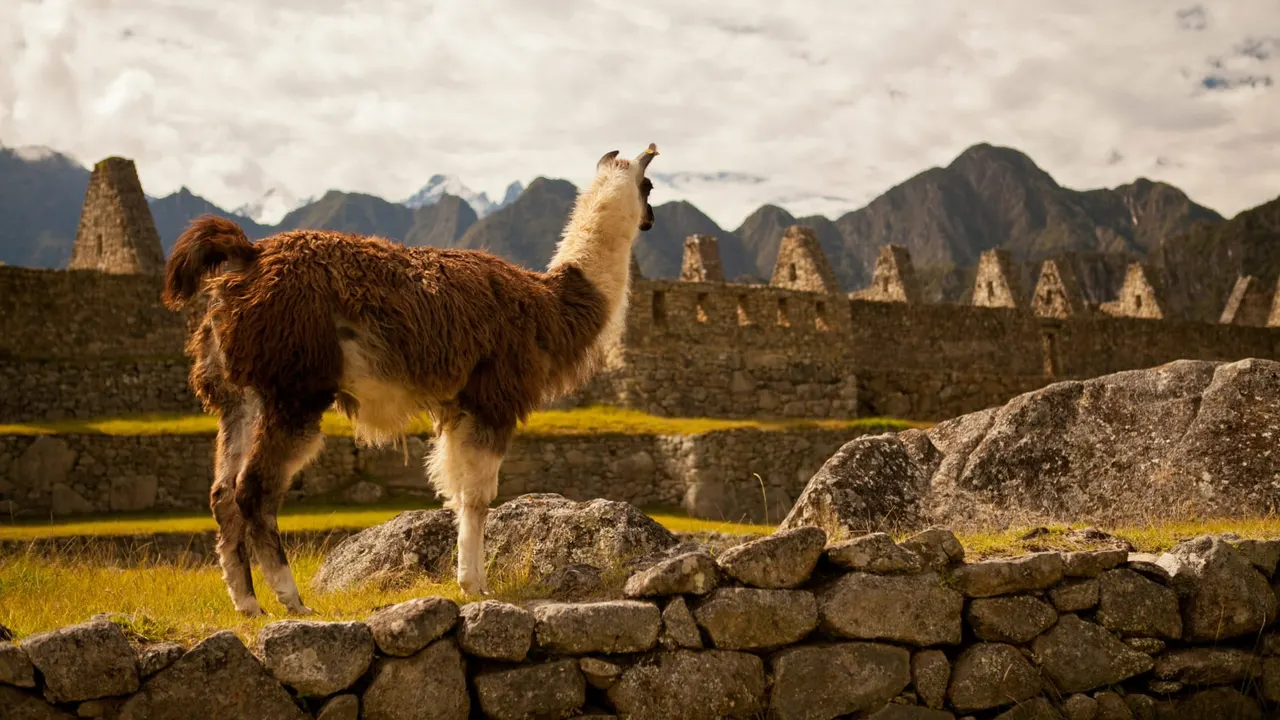
- Ages 6 to 11: the best age to enjoy it. They can handle a full circuit and love the stories about the Incas and the llamas on the terraces.
- Ages 12 to 17: they can do almost everything an adult can, including a mountain if they’re acclimatized and fit.
Altitude and Acclimatization for Kids
Kids can get altitude sickness just like adults. The U.S. Centers for Disease Control and Prevention (CDC) warns that in babies and children who can’t talk yet, the symptoms aren’t clear-cut: loss of appetite, irritability, crying for no apparent reason and changes in sleep or activity. Older kids will tell you if they have a headache or feel short of breath.
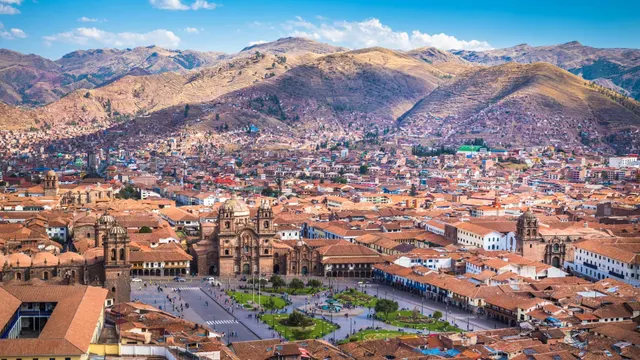
Cusco, at about 3,399 m, is the highest point on the classic trip, while Machu Picchu sits at 2,430 m. That’s why, with kids, the order of your itinerary matters a lot:
- Go down when you arrive. From the Cusco airport, head straight to the Sacred Valley, at about 2,870 m, or Ollantaytambo, at 2,792 m. The CDC points to gradual ascent as the best prevention.
- Do Machu Picchu first. Aguas Calientes (2,040 m) and the citadel are the lowest altitudes on the route.
- Save Cusco for last. By the time you go up, the kids will have spent several days at moderate altitude.
- Take it easy on day one. Frequent sips of water, light meals, naps and nothing strenuous in the first 48 hours.
Important: if, after going up, your child has unexplained symptoms such as vomiting, marked lethargy or a lot of drowsiness, the medical guidance is to descend and see a doctor. Talk to your pediatrician before the trip: some preventive medications aren’t approved for children under 12. More in our guide to altitude sickness in Cusco.
Which Route or Circuit to Choose with Kids
Each ticket opens a single one-way route. With kids, that matters for two reasons: a route that’s too long can’t be cut short halfway, and the restrooms are only next to the entrance, outside the route.
Route 3-B: The Shortest
This is the Designed Royalty route on the Royalty circuit: 1.3 km, moderate effort and a maximum time of 2 h 30 min. It covers the Temple of the Sun, the House of the Inca, the fountains and the Temple of the Condor, and it has a wheelchair-accessible section. It’s the one we recommend with kids ages 0 to 5.
Circuit 2: The Classic Visit
Routes 2-A and 2-B (2.5 and 2.7 km) cover the main plaza, the Sacred Rock and most of the urban sector. The Ministry of Culture rates them as moderate to high effort because of the stairs. They work very well from about age 6, with a guide who tells them stories.
Huchuy Picchu: A Summit for the Whole Family
Route 3-D climbs Huchuy Picchu: 1.7 km round trip, moderate effort and an elevated view of the citadel. It’s only sold in peak season.
The Big Mountains
Huayna Picchu (3-A) and Machu Picchu Mountain (1-A) are high effort, and Huayna Picchu has exposed sections with support cables. We don’t recommend them with young children; with fit teenagers, they can be the highlight of the trip. Compare them in Huayna Picchu vs. Machu Picchu Mountain. We didn’t find any age requirements published by the Ministry for the mountains: check them on the portal when you buy.
The details on all 10 routes are in our guide to the Machu Picchu circuits.
Kids’ Tickets and Documents
The ticket is issued in each visitor’s name: you register each child’s name, nationality, date of birth and document, and these are checked against the physical document at the entrance. The exact price only appears when you book on the Ministry of Culture’s official portal, so we don’t give figures here. The categories for a family:
- Under 3: free entry.
- Ages 3 to 17: minor rate, lower than the general rate. Age is counted on the day of the visit: anyone who has already turned 18 pays as an adult.
- Peruvian children: national rate, with a valid physical DNI, the only valid document.
- Children from Bolivia, Colombia or Ecuador: Andean Community rate, with a passport or national ID card.
Which documents to bring for each child:
- Original passport (or DNI if they’re Peruvian), with the same number you registered. Photos and copies aren’t accepted.
- A document for the train: PeruRail asks every passenger for ID and accepts, depending on the case, a DNI, passport, foreign resident card or birth certificate.
- If the minor is traveling without their parents, for example with their grandparents, bring the permits required by Peruvian law: the train may ask for them at boarding.
- Peruvian children or foreign children residing in Peru who leave the country with only one parent or with third parties need a travel authorization, according to Peru’s Ministry of Foreign Affairs.
The official portal allows up to 5 visitors per booking: if there are six or more of you, make two bookings for the same route and time slot. Every profile is covered in Machu Picchu ticket types, and the buying system in our guide to Machu Picchu tickets.
Tip: before you pay, double-check each child’s date of birth. One wrong digit can change their category or cause problems at the entrance, and the ticket can’t be transferred or easily corrected.
Taking the Train with Kids
From Ollantaytambo it takes 1 h 30 min to 2 h; from Poroy, near Cusco, about 3 h 30 min. With young children, Ollantaytambo is a much better option.
Fares and Seats for Kids
- PeruRail: infants ages 0 to 2 travel free on an adult’s lap; with their own seat, they pay the child fare. Ages 3 to 11 pay 75% of the adult fare. Each infant travels with a responsible adult over 18.
- Inca Rail: children under 36 months can travel free in an adult’s arms if you request it at a ticket office, with their document, at least one hour before departure. Only one per adult is allowed; the second needs a child ticket.
Which Class and Which Schedule
- Economy class is plenty for such a short trip, although cars with an open-air balcony, like the Vistadome Observatory or The 360°, are a big hit with kids.
- Choose a mid-morning train on the way there and an early-afternoon train on the way back.
- Only carry-on luggage is allowed, about 8 kg per person. Diapers, a change of clothes and a warm layer go in that backpack; the big suitcase stays at the hotel or in luggage storage.
Classes, schedules and luggage are covered in our guide to the train to Machu Picchu.
The Bus to the Citadel
The Consettur bus goes up from Aguas Calientes in 25 to 30 minutes on a winding road, from 5:30 a.m. to 3:30 p.m., and comes down from 6:30 a.m. to 6:00 p.m. According to PeruRail’s guide, foreign children under 12 pay US$12 round trip, compared with US$24 for adults; ask when you buy how babies are handled. Each passenger shows their passport.
- Don’t walk up with young children: it’s a stone stairway that takes about an hour and a half. With older kids, walking down can be a fun adventure.
- Buy a round-trip ticket so you don’t have to wait in line again.
Schedules and where to buy are in our guide to the bus to Machu Picchu.
Staying Overnight in Aguas Calientes
With kids, spending at least one night in Aguas Calientes changes the experience. The same-day round trip from Cusco takes about 16 hours, with pickup between 4:00 and 5:00 a.m.: too much for a young child.
- You arrive rested: a mid-morning train, a free afternoon and an early dinner.
- You get in early: in the 6:00 to 8:00 a.m. time slots it’s cooler, there are fewer people and the kids still have energy.
- The town keeps kids busy: the Manuel Chávez Ballón Site Museum, the botanical garden and the hot springs make for a relaxed afternoon.
Tip: get to the sanctuary entrance with some time to spare, but don’t overdo it. There’s a 30-minute grace period, or 45 in the highest-demand months, and long lines wear kids out. Take them to the restroom right before you go in.
What to Bring (and What Not To)
The Ministry of Culture’s rules ban baby strollers, food, trekking poles, umbrellas and backpacks larger than 40 × 35 × 20 cm. Baby carriers aren’t on the list of banned items; choose a fabric wrap or a compact carrier backpack, because large framed models can exceed that size.
- Each child’s original document and all your tickets.
- A baby carrier for kids under 4, even if they already walk.
- Water in a reusable bottle for each child.
- Sunscreen, a wide-brimmed hat and insect repellent.
- A rain poncho, especially from November to April.
- Layered clothing and sneakers with good grip.
- Diapers, wipes and a bag for trash.
Since you can’t bring food in, plan breakfast or a snack before the checkpoint; there’s a restaurant next to the entrance. If your baby needs milk or baby food during the visit, ask at the checkpoint. The full list is in what not to bring to Machu Picchu, and the weather for each month in Cusco weather.
Suggested Family Itinerary
This order, designed for young and school-age children, respects acclimatization and only requires one early start:
- Day 1: flight to Cusco and a direct transfer to the Sacred Valley. Afternoon of rest.
- Day 2: the Sacred Valley at a gentle pace: a market, a short Inca site and free time.
- Day 3: mid-morning train from Ollantaytambo, an afternoon in Aguas Calientes and an early dinner.
- Day 4: early bus and Machu Picchu in a morning time slot, on Route 3-B or Circuit 2. Lunch in town and a return train in the afternoon.
- Day 5: Cusco, now acclimatized: the Plaza de Armas, San Blas and a short walk.
The key is the sequence of Sacred Valley, train and a night in Aguas Calientes before the visit. More ideas in our Cusco itinerary.
Age-by-Age Table: What Works Best
| Age | Entry ticket | Train (PeruRail) | Bus (reference) | Recommended route | What matters most |
|---|---|---|---|---|---|
| Ages 0 to 2 | Free entry | Free on a lap; child fare if they take a seat | Ask when you buy | 3-B in a baby carrier | No stroller; eat before going in |
| Ages 3 to 5 | Minor rate | 75% of the adult fare | Child fare | 3-B | A backup baby carrier and a restroom stop before going in |
| Ages 6 to 11 | Minor rate | 75% of the adult fare | Child fare | Circuit 2 or Huchuy Picchu (peak season) | A guide who tells stories; an early time slot |
| Ages 12 to 17 | Minor rate | Adult fare | Adult fare | Circuit 2, or a mountain if they’re acclimatized | Check the mountain’s requirements when you buy |
Train ages according to PeruRail; with Inca Rail, free travel goes up to 36 months. Bus fare according to PeruRail’s guide, with the child fare for kids under 12.
Bottom Line: What to Do Based on Your Situation
- Traveling with a baby: a baby carrier, Route 3-B, a night in Aguas Calientes and the baby on your lap on the train.
- Kids ages 3 to 5: Route 3-B in an early time slot, the bus up and down, and no same-day round trip.
- Kids ages 6 to 11: Circuit 2 with a guide, or Huchuy Picchu in peak season.
- Teenagers: Circuit 2 one day and a mountain the next, with tickets bought well ahead.
- You only have one day: with teenagers, a same-day round trip from Cusco works; with young children, add a night.
If you’re still not sure how to organize the trip there, check out how to get to Machu Picchu. Either way, the first step is to lock in tickets for the whole family on the same route and in the same time slot.
Frequently asked questions
Is it safe to take a baby to Machu Picchu?
Yes, many families do it. The citadel is lower than Cusco; what matters is acclimatizing gradually, watching for signs like irritability or loss of appetite and talking to your pediatrician before the trip.
Do kids pay to enter Machu Picchu?
Children under 3 don’t pay. Ages 3 to 17 have a minor rate, and the official Tu Boleto portal shows the exact amount when you book.
Can you bring a stroller to Machu Picchu?
No. The Ministry of Culture’s rules ban baby strollers. A compact baby carrier is the alternative, as long as it doesn’t exceed the maximum backpack size.
Do kids pay for the train to Machu Picchu?
On PeruRail, ages 0 to 2 travel free on an adult’s lap and ages 3 to 11 pay 75% of the fare. On Inca Rail, children under 36 months can travel free if you request it in advance at a ticket office.
What ID does a child need to enter Machu Picchu?
The original of the document they were registered with when you bought the ticket: a passport for foreigners or a DNI for Peruvians. Photos and copies aren’t accepted.
Can kids climb Huayna Picchu?
It’s a high-effort route with exposed sections, not a good idea for young children. For fit teenagers it can be an option; check the route’s requirements on the official portal when you buy.
How many days do you need for Machu Picchu with kids?
We recommend at least two days for Machu Picchu, with a night in Aguas Calientes, and about five or six for the whole trip with acclimatization in the Sacred Valley.
Are there bathrooms inside Machu Picchu?
The restrooms are next to the entrance, outside the route. Take the kids before you go in, because the route is one-way.
Official sources
- Tu Boleto (Ministry of Culture): official ticket sales
- Ministry of Culture: circuits and visiting routes
- Ministry of Culture: rules of conduct at Machupicchu
- Ministry of Culture: entry times and grace periods
- PeruRail: frequently asked questions (infants and children)
- PeruRail: terms and conditions of purchase (infant and child policy, documents)
- PeruRail: train schedules and frequencies
- PeruRail: luggage policy
- PeruRail: how to plan your trip to Machu Picchu (bus fares)
- Inca Rail: terms and conditions (children under 36 months)
- CDC Yellow Book: traveling safely with infants and children (altitude)
- Government of Peru: travel authorization for minors