Key facts
- Only the Inca Trail, in its 4-day version and the 2-day short one, has a limited permit issued in your name, and it enters Machu Picchu on foot through the Sun Gate.
- The Inca Trail Network regulations set 500 users a day on the long routes and 250 on the km 104 route, counting guides and porters.
- The Salkantay is the highest (4,630 m) and the most complete no-permit alternative; Lares is the most cultural and the Inca Jungle the sportiest.
- The Hidroeléctrica route is the cheapest and least demanding, but it takes at least two days.
- Choquequirao is the toughest of all and doesn’t reach Machu Picchu: it’s a different Inca citadel, out and back from Cachora.
- The Inca Trail Network closes every February; for the other treks, the best time is April to October.
In this guide
There are seven common ways to hike to Machu Picchu: the 4-day Classic Inca Trail, the 2-day Short Inca Trail, the Salkantay, Lares, the Inca Jungle, the Hidroeléctrica route and, as a challenge of its own, Choquequirao. Only the two versions of the Inca Trail require a limited permit and take you on foot all the way to the citadel; the rest end in Aguas Calientes or Ollantaytambo and have no daily cap. If you can get a permit and you’re in good shape, choose the Classic Inca Trail; if not, the Salkantay is the most complete alternative.
Machu Picchu treks compared
Distances and altitudes come from our route guides; where each agency runs a different variant, we say so.
| Trek | Days | Hiking distance | Maximum altitude | Difficulty | Limited permit | Best season | How you reach Machu Picchu |
|---|---|---|---|---|---|---|---|
| Classic Inca Trail | 4 days, 3 nights camping | About 40 km | 4,215 m (Warmiwañusqa Pass) | Challenging | Yes: issued in your name, sells out months ahead | May to September; closed in February | On foot through the Sun Gate |
| Short Inca Trail | 2 days, 1 night in a hotel | 12 km | 2,720 m | Moderate | Yes: issued in your name, smaller quota | April to October; closed in February | On foot through the Sun Gate |
| Salkantay | 5 days, 3 nights camping and 1 in a hotel | About 56 km on foot, 72 km in total | 4,630 m (Salkantay Pass) | Challenging | No | April to October | Via Hidroeléctrica to Aguas Calientes |
| Lares | 3 to 4 days | Varies by route variant | Over 4,400 m | Moderate | No | April to October | By train from Ollantaytambo |
| Inca Jungle | 4 days | Hiking sections plus biking | Over 4,300 m, by bike (Abra Málaga pass) | Moderate | No | April to October | Via Hidroeléctrica to Aguas Calientes |
| Hidroeléctrica route | 2 to 3 days including the visit | About 11 km | Over 4,300 m by vehicle; you hike at about 1,890 m | Easy: a flat walk | No | May to October | On foot along the tracks to Aguas Calientes |
| Choquequirao | 4 to 5 days, out and back | Out and back from Cachora, with a descent into the canyon | About 3,050 m (the citadel) | Very challenging | No | April to October | It doesn’t: it’s a different Inca citadel |
Difficulty isn’t just about altitude: elevation gain, hours per day and where you sleep all count. That’s why Choquequirao, which tops out at about 3,050 m, is the toughest on the list: you go down into and climb out of a deep canyon twice.
What organized treks usually include
On the Classic Inca Trail you camp, with porters carrying the gear, and the Machu Picchu entry is processed together with the permit. On the Short Inca Trail you sleep in a hotel in Aguas Calientes. On the Salkantay, the camps are supported by muleteers and mules, with a final night in a hotel. Whatever trek and agency you choose, always ask whether the citadel ticket and the return train are included.
How permits work
The Inca Trail is the only route with a quota. The tourism-use regulations for the Inca Trail Network, amended in November 2025, set a capacity of 500 users a day for the long routes and 250 for the km 104 route, the one used by the Short Inca Trail. That figure includes guides, porters and cooks: there are far fewer spots for hikers.
- Only through a licensed agency: you can’t buy the permit yourself or hike without a guide.
- It’s issued in your name: it’s tied to your name and passport, and it can’t be transferred to someone else.
- It sells out: for May to August, it’s best to book four to six months in advance; in other months, two or three are usually enough.
- Annual closure: the Inca Trail Network closes every February for maintenance, although Machu Picchu stays open.
The Salkantay, Lares, the Inca Jungle, Hidroeléctrica and Choquequirao have no daily cap. You can book them with a few days’ or a few weeks’ notice. What you do need to lock in is your Machu Picchu ticket: without it, you’ll reach Aguas Calientes and won’t get in.
Important: the Inca Trail permit is non-refundable once issued. Before you pay, check that your details match the passport you’ll be traveling with.
The routes, one by one
Classic Inca Trail (4 days)
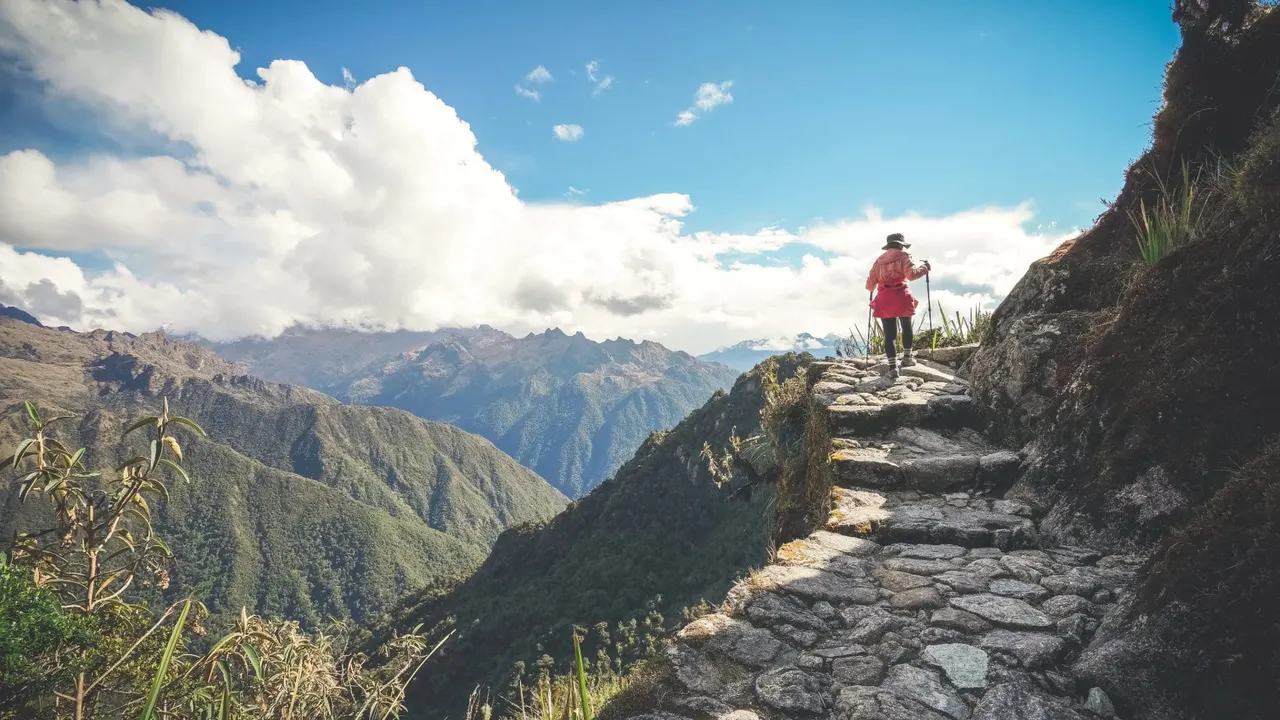
It starts at km 82 (Piscacucho), about two hours from Cusco. The first day is easy, alongside the Urubamba River. The second is the hardest: you climb to the Warmiwañusqa Pass, at 4,215 m, and descend to Pacaymayo. The third packs in the archaeological sites: Runkurakay, Sayacmarca, Phuyupatamarca and Wiñay Wayna. On the fourth you set out before dawn for the Sun Gate and your first view of the citadel.
- It’s for you if: you want the full historical experience, to walk on Inca stone and to enter Machu Picchu on foot.
- It’s not for you if: you’re booking last minute, traveling in February or struggle with long flights of stairs.
It’s demanding mainly because of the stone steps, not the distance. You’ll find the day-by-day itinerary and background on the route in our Inca Trail guide.
Short Inca Trail (2 days)
The train drops you at km 104 (Chachabamba). You hike about 12 km in 6 to 7 hours, climb to Wiñay Wayna and reach the Sun Gate in the afternoon. You sleep in a hotel in Aguas Calientes and visit Machu Picchu with a guide the next day.
- It’s for you if: you’re short on time, don’t want to camp or want to do the Inca Trail without going above 2,720 m.
- It’s not for you if: you’re hoping for the feel of a multi-day trek or sunrise at the Sun Gate.
It also requires a permit in your name, and its quota is half that of the long routes.
Salkantay (5 days)
It starts at Soraypampa, about three hours from Cusco. On the first day you hike up to Humantay Lake, at about 4,200 m, to acclimatize. On the second you cross the Salkantay Pass, at 4,630 m, beside a snowcapped peak over 6,000 m high, on the longest day: about 22 km and 9 hours. Then you descend into the cloud forest among coffee farms, reach Hidroeléctrica and hike to Aguas Calientes. On the fifth day you visit Machu Picchu.
- It’s for you if: you couldn’t get an Inca Trail permit or you prefer high-mountain scenery to ruins.
- It’s not for you if: you’re not well acclimatized or you’re very bothered by cold and below-freezing nights.
See the day-by-day itinerary in our guide to the Salkantay trek.
Lares (3 to 4 days)
It starts in the Lares Valley, in the province of Calca, about three hours from Cusco. It passes through Quechua communities of herders and weavers, glacial lakes and passes above 4,400 m. It ends in Ollantaytambo, where you catch the train to Aguas Calientes, and the last day is for the citadel.
- It’s for you if: you’re more interested in living Andean culture than in archaeology and want fewer people on the trail.
- It’s not for you if: you want to arrive at Machu Picchu on foot: the last leg is by train.
There are hot springs at the start or the end. Each agency combines different passes and communities, which is why the distance varies. More in our Lares guide.
Inca Jungle (4 days)
This is the sportiest option. It starts with a downhill road ride by bike from the Abra Málaga pass, at over 4,300 m, to Santa María, with optional rafting. Then comes a hike through coffee farms to Santa Teresa and the Cocalmayo hot springs, an optional zipline and the hike from Hidroeléctrica to Aguas Calientes.
- It’s for you if: you’re after adventure and variety, and would rather sleep in towns than camp.
- It’s not for you if: you don’t feel confident biking on a mountain road or you’re traveling at the height of the rainy season.
Almost the entire route runs through low, mild areas. See our Inca Jungle guide.
Hidroeléctrica route (2 to 3 days)
It isn’t a mountain trek, but the cheapest way to get there on your own. You travel by road from Cusco to Hidroeléctrica in about 6 to 7 hours and hike about 11 km, almost flat, alongside the railroad tracks to Aguas Calientes. According to PeruRail’s reference costs, one-way transportation to Hidroeléctrica runs around US$33.
- It’s for you if: you’re on a tight budget, have at least two days and are traveling in the dry season.
- It’s not for you if: you only have one day or you’re traveling with young children.
Sections, times and the short train ride are covered in our guide to the Hidroeléctrica route.
Choquequirao (4 to 5 days)
Choquequirao isn’t a route to Machu Picchu: it’s another great Inca citadel, above the Apurímac River canyon, that you can only reach on foot. The usual route starts in Cachora, about four hours from Cusco, and the round trip takes at least four days, with a very steep descent and climb. Some variants link up with the Machu Picchu area, but those are expeditions of around a week.
- It’s for you if: you’ve already been to Machu Picchu or you’re looking for an Inca site with almost no visitors, and you have experience on long treks.
- It’s not for you if: it’s your first trek or your goal is to see Machu Picchu on this trip.
The most common head-to-heads
Inca Trail or Salkantay
The Inca Trail follows a stone path built by the Incas, passes more than ten archaeological sites and enters the citadel on foot. The Salkantay has no ruins along the way, but it climbs higher, beside the snowcapped peak, and crosses more kinds of landscape. It doesn’t require a permit, which makes it easier to plan with less notice.
Our rule of thumb: if permits are available for your dates, the Inca Trail. If not, or if glaciers appeal to you more than archaeology, the Salkantay.
Classic or Short Inca Trail
The short version gives you Wiñay Wayna and the Sun Gate in a single day of hiking, with a hotel bed. The classic adds the 4,215 m pass, three nights of camping and a dozen Inca sites. With four free days and good fitness, the classic is worth it; if not, the short one lets you set foot on the Inca Trail without sacrificing the rest of your trip.
Salkantay or Lares
Both are high-mountain treks with no permit required. The Salkantay is longer, higher and more demanding, with Humantay Lake and the descent into the jungle. Lares is shorter, moderately difficult and more cultural, with communities and hot springs. Choose Lares if the altitude of the Salkantay Pass worries you or you have one day less.
Tip: if you’re torn between two treks, decide by date first. In February only the non-Inca Trail options remain, and from November to March the routes through Santa Teresa and Hidroeléctrica can be hit by landslides. Check Cusco weather by month before you book.
Altitude and physical preparation
The Classic Inca Trail, the Salkantay, Lares and the Inca Jungle all go above 4,000 m. Altitude sickness affects fit people too. This is general information, not medical advice: see your doctor before your trip, especially if you’re pregnant, have heart or lung problems, or are traveling with children.
- Acclimatize first: spend at least two days in Cusco or the Sacred Valley before starting a long trek.
- Go up gradually: above 3,000 m, the CDC recommends not raising the altitude you sleep at by more than 500 m per night.
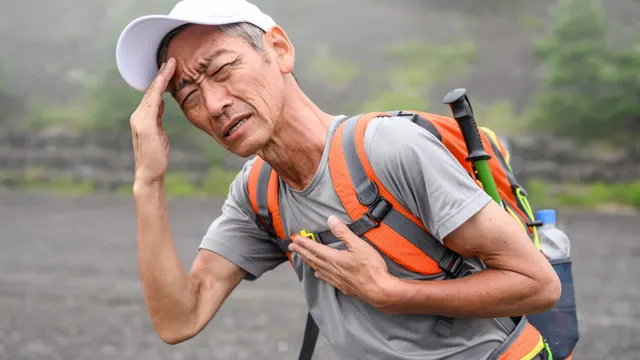
- Warning signs: confusion, lack of coordination when walking, severe drowsiness, a persistent cough or shortness of breath at rest.
- What to do: if symptoms get worse despite rest, you need to descend and get medical care. Always tell your guide.
Read more on these essentials in our guide to altitude sickness in Cusco.
Tip: when packing for the trek, think in layers: on the same day you can face below-freezing cold and humid heat. The full list is in our Cusco packing list, and remember that your multi-day backpack won’t get through the citadel’s entrance check.
What to book and in what order
- Choose your trek based on your dates. If it’s the Inca Trail, the permit comes first: without it, there’s no route.
- Lock in your Machu Picchu entry. If your trek doesn’t include it, buy your Machu Picchu ticket for the day you reach the citadel.
- Book your return train. In high season the afternoon departures fill up.
- Add acclimatization days before the trek and one buffer day after.
Summary: which trek to choose for your situation
- You want the full Inca experience and are booking months ahead: the 4-day Classic Inca Trail.
- You have two days or don’t want to camp: the Short Inca Trail.
- No permits left, or you’re after high mountains: the Salkantay.
- You’re interested in living culture and moderate difficulty: Lares.
- You’re looking for adventure and sport: the Inca Jungle.
- Tight budget and traveling on your own: the Hidroeléctrica route.
- You want a challenge and an Inca site without the crowds: Choquequirao.
- You’d rather not hike: the train and a night in Aguas Calientes.
If you’re still weighing a trek against the train or the bus, all the options are in how to get to Machu Picchu from Cusco.
Frequently asked questions
What is the best trek to Machu Picchu?
It depends on what you’re looking for. The Classic Inca Trail is the only one with Inca sites along the way and an arrival at the citadel on foot; if there are no permits, the Salkantay offers the most complete high-mountain experience.
What is the easiest trek to Machu Picchu?
The Short Inca Trail, with a single day of hiking that stays below 2,720 m. Without a permit, the flat walk from Hidroeléctrica is the simplest, although it comes after many hours on the road.
Can you hike the Inca Trail without a tour company?
No. Permits are only processed by licensed agencies, and hiking with a guide is mandatory. The other treks can be done independently, although we recommend going with a guide on the Salkantay and to Choquequirao.
Which trek should I do if I couldn’t get an Inca Trail permit?
The Salkantay is the most popular alternative: 5 days, a 4,630 m pass and an arrival in Aguas Calientes. If you’d like something more moderate, Lares; if you want adventure, the Inca Jungle.
How many days do I need for a trek to Machu Picchu?
Between 2 days for the Short Inca Trail and 5 for the Salkantay, plus at least two days beforehand to acclimatize in Cusco or the Sacred Valley.
Do I need to buy a separate Machu Picchu ticket if I do a trek?
On the Inca Trail, entry is tied to the permit. On the Salkantay, Lares or the Inca Jungle it depends on the operator: confirm it’s included or buy it yourself for the day of your visit.
Can you trek to Machu Picchu in the rainy season?
Yes, except the Inca Trail in February, when it closes. From November to March the trails get muddy and the roads to Santa Teresa and Hidroeléctrica are at risk of landslides, so leave some buffer days.
Does the Choquequirao trek go to Machu Picchu?
Not in its usual version: it’s a 4- to 5-day out-and-back trek from Cachora to a different Inca citadel. The variants that link up with the Machu Picchu area are expeditions of around a week.
Official sources
- El Peruano: Ministerial Resolution 000294-2025-MC, carrying capacity of the Inca Trail Network (November 7, 2025)
- Gestión: Inca Trail Network capacity includes tourists and support staff (March 8, 2024)
- Andina: the Inca Trail closes in February for maintenance
- Tu Boleto (Peru’s Ministry of Culture): official ticket sales and Inca Trail Network notices
- PeruRail: Hidroeléctrica route
- CDC Yellow Book: high-altitude travel and altitude illness