Key facts
- The movable festivals depend on Easter: in 2027 Easter Sunday falls on March 28.
- The Lord of the Earthquakes leaves the Cathedral on Holy Monday, around 2 p.m.; in 2027 that’s March 22.
- Corpus Christi is held on a Thursday, 60 days after Easter, with 15 saints and virgins in the Plaza de Armas: in 2027, on May 27.
- Qoyllur Rit’i, inscribed by UNESCO in 2011, takes place at about 4,800 m around Trinity Sunday.
- The Virgen del Carmen is celebrated in Paucartambo from July 15 to 18, with the 16th as the main day.
- The Santurantikuy brings more than 1,000 artisans to the Plaza de Armas every December 24.
In this guide
- Cusco festival calendar month by month
- Carnival in Cusco: water, foam and yunza
- Holy Week and the Lord of the Earthquakes (Holy Monday)
- May: the Cruz Velacuy
- Qoyllur Rit’i: the pilgrimage to the glacier
- Corpus Christi in Cusco: the saints go to the Cathedral
- June, the jubilee month: Inti Raymi and the parades
- July: the Virgen del Carmen in Paucartambo and the national holidays
- December: Santurantikuy and Christmas
- Tips for experiencing Cusco’s festivals
- Summary: which festival to choose for your trip
Cusco’s big festivals are spread across the whole year. Carnival in February or March, the Lord of the Earthquakes on Holy Monday, the Cruz Velacuy in early May, Qoyllur Rit’i and Corpus Christi between May and June, Inti Raymi every June 24, the Virgen del Carmen in Paucartambo in mid-July and the Santurantikuy every December 24. Several of them are movable because they depend on Easter. Below you’ll find the calendar with the date rule for each one, the 2027 dates and what to see at every festival.
Here in Cusco we see it every year: travelers who happen to catch a festival take home the best memory of their trip, but they also run into full hotels, closed streets and higher prices. This guide helps you choose your dates and arrive prepared.
Important: the movable religious festivals are calculated from Easter Sunday, which falls on March 28 in 2027. The 2027 dates in this guide are worked out with that rule. Schedules and programs are set every year by the Archdiocese, the religious brotherhoods, the Municipality of Cusco and each town’s municipality, so confirm them close to the date.
Cusco festival calendar month by month
This is the table to plan with. The “date rule” column works for any year; the last one is for 2027 only.
| Month | Festival | Where | Date rule | In 2027 |
|---|---|---|---|---|
| February or March | Carnival | City of Cusco and towns across the region | Main day: the Sunday before Ash Wednesday; Compadres and Comadres, the two Thursdays before; Kacharpari, one week later | Sunday, February 7; Kacharpari on February 14 |
| March or April | Lord of the Earthquakes (Señor de los Temblores) | Cathedral and historic center of Cusco | Holy Monday, six days before Easter Sunday | Monday, March 22 |
| March or April | Holy Week | Churches across the region | The week before Easter Sunday; Holy Thursday and Good Friday are national holidays | March 21 to 28 |
| May | Cruz Velacuy | Neighborhoods, churches and hills of Cusco | Fixed date: May 2 and 3 | Sunday, May 2, and Monday, May 3 |
| May or June | Qoyllur Rit’i | Sinakara sanctuary, Ocongate (Quispicanchi) | Main days around Trinity Sunday, eight weeks after Easter | Trinity Sunday: May 23 |
| May or June | Corpus Christi | Cathedral and Plaza de Armas of Cusco | Thursday, 60 days after Easter Sunday; the Entrada is the day before and the Octave, one week later | Entrada on May 26, main day Thursday, May 27, Octave on June 3 |
| June | Jubilee month and Inti Raymi | City of Cusco | All of June; Inti Raymi, always on June 24 | Thursday, June 24 |
| July | Virgen del Carmen | Paucartambo | July 15 to 18; main day, the 16th | Friday, July 16 |
| July | National holidays (Fiestas Patrias) | Nationwide | July 28 and 29, national holidays | Wednesday, July 28, and Thursday, July 29 |
| December | Santurantikuy and Christmas | Plaza de Armas of Cusco | Fixed date: December 24; Christmas, the 25th | Friday, December 24 |
Carnival in Cusco: water, foam and yunza
Cusco’s carnival is lived in the street and with family. Depending on the Catholic calendar, it falls in February or, some years, in early March. In the city the main day is always a Sunday, the last one before Ash Wednesday.
How it’s celebrated
- Compadres and Comadres: on the two Thursdays before the main day, rag dolls appear hanging from poles and high places. They’re made from recycled materials and poke fun, with humor, at neighbors, coworkers or local officials.
- Main day: people throw water, foam and “mistura,” colored flour, at each other. Nobody leaves the Plaza de Armas dry.
- Yunza or cortamonte: in neighborhoods and towns, people dance in a circle around a tree decorated with gifts. Then it’s brought down with machete blows and everyone rushes to grab the presents.
- Kacharpari or Octave: a week later, troupes from dozens of groups parade with dances, instruments and cheeky verses about falling in love.
The carnival dish is timpu or puchero: boiled meats with cabbage, potatoes, moraya (freeze-dried potato), chickpeas and rice, with sweet potato, peaches, pears and cassava cooked separately. More seasonal dishes in our guide to traditional Cusco food.
During carnival, keep your phone and camera in a waterproof bag and wear clothes you don’t mind getting wet. It’s also the rainy season: check the Cusco weather before planning your trip.
Holy Week and the Lord of the Earthquakes (Holy Monday)
The Señor de los Temblores, or Lord of the Earthquakes, is the crucified Christ whom Cusco holds as its “sworn patron.” It’s a copper-toned image made of maguey, kept in the Cathedral. Devotion grew after the earthquake of March 31, 1650: tradition says that when the image was carried out in procession, the ground stopped shaking. The procession was declared Cultural Heritage of the Nation on December 28, 2007.
What to see on Holy Monday
- The departure: after Mass in the Cathedral, around 2 p.m., the litter carrying the image comes out.
- The route: it loops around the historic center, with blessings at Plaza San Francisco and the Plaza de Armas, and returns to the Cathedral at night.
- The ñucchu: from the balconies, families throw red petals of ñucchu, the Lord’s sacred flower, which only blooms at this time of year.
The rest of Holy Week is lived in the churches of the center and the towns, with Masses and processions up to Easter Sunday. Holy Thursday and Good Friday are national holidays, so many Peruvians travel too. In some years the Regional Government has declared Holy Monday a holiday in the region.
The procession draws a huge crowd into narrow streets. Don’t bring small children to the Plaza stretch, wear your backpack on your front and agree on a meeting point with your group. It’s an act of faith: stay quiet during the blessings and don’t cut in front of the bearers.
May: the Cruz Velacuy
The Cruz Velacuy is Cusco’s version of the Feast of the Crosses. It begins on May 2 with a serenade and a vigil, the “velada” of the cross, and continues the following day, May 3. The crosses of the neighborhoods, churches and hills around the city are decorated with flowers in what’s called the “amarre,” and altars are set up with paper figures and colored candles.
Each cross has a sponsor, the mayordomo or carguyoq, who organizes the celebration and pays most of the costs. An altar for the cross is set up in their home. For travelers it’s a neighborhood festival: if you walk past a chapel or a small square with music on those days, you’ll see the cross dressed in flowers and the devotees gathered around it.
Qoyllur Rit’i: the pilgrimage to the glacier
The Lord of Qoyllur Rit’i is the largest pilgrimage in the southern Andes. It takes place at the Sinakara sanctuary, at the foot of the Colque Punku glacier, in the district of Ocongate, Quispicanchi province. The pilgrimage sets out from the main square of Ocongate, about 105 km from the city of Cusco, and the sanctuary sits at about 4,800 m, in the Ausangate area. It blends Catholic worship with the veneration of the apus, the sacred Andean mountains.
It was declared Cultural Heritage of the Nation in 2004, and in 2011 UNESCO inscribed it on the Representative List of the Intangible Cultural Heritage of Humanity.
When it is
It’s a movable festival. Preparations begin on Ascension Day, 40 days after Easter, and most pilgrims arrive for Trinity Sunday, the Sunday after Pentecost. The main days end a few days before Corpus Christi. In 2027, Trinity Sunday falls on May 23.
What happens at the sanctuary
- The nations: according to UNESCO, some 90,000 people attend, organized into eight “nations” according to where they come from, such as Paucartambo, Quispicanchi, Canchis or Anta.
- The dances: around a hundred different dances are performed in turns, day and night.
- The guardians: the ukukus or pablitos, in alpaca wool outfits and woven masks, keep order.
- The procession to Tayancani: an all-night march carries the images to greet the first light of the sun.
In the past, the ukukus climbed onto the glacier to gather ice and bring down the crosses from the summit. That custom is no longer practiced because the ice has retreated.
Important: Qoyllur Rit’i is not a tourist event. It’s a tough pilgrimage at high altitude, with nights that drop to -5 °C, few services and thousands of people. It only makes sense if you’re already well acclimatized and go with cold-weather gear and someone who knows the place. Ask permission before taking photos and follow the ukukus’ instructions. Read our guide to altitude sickness in Cusco first.
Corpus Christi in Cusco: the saints go to the Cathedral
Corpus Christi is the city’s most important religious festival and was declared Cultural Heritage of the Nation in August 2004. It’s held on a Thursday, 60 days after Easter Sunday. That’s why some years it falls in May and others in June. In 2026 it was on June 4; in 2027 it will be on May 27.
The 15 images
Fifteen saints and virgins leave their parishes and come to the Cathedral to “greet” the Blessed Sacrament: Saint Anthony, Saint Christopher, Saint Jerome, Saint Sebastian, Saint Barbara, Saint Anne, Saint James (Santiago), Saint Blaise, Saint Peter, Saint Joseph and the virgins of La Almudena, Los Remedios, La Candelaria, Belén and the Immaculate Conception.
The three key moments
- The Entrada, on Wednesday: the images arrive in procession at the Cathedral. San Sebastián and San Jerónimo come on foot from their districts along Avenida de la Cultura, and Santa Bárbara arrives from Poroy. The bearers compete to get there before the others.
- The main day, on Thursday: Mass in the Cathedral atrium and, just after noon, a procession of the 15 images and the Blessed Sacrament, on its silver carriage, around the Plaza de Armas.
- The Octave, one week later: the images stay in the Cathedral until that day and then return to their churches.
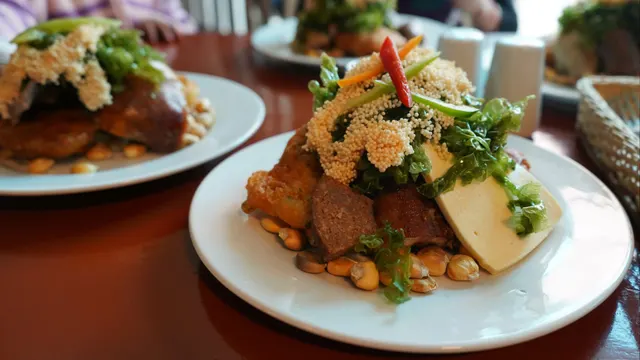
The Corpus dish is chiriuchu, with guinea pig, hen, cancha (toasted corn), cheese, cecina (dried meat), sausage, torreja (a vegetable fritter), cochayuyo seaweed and rocoto pepper. It’s made at home and at fairs such as the Chiriuchu Festival on Plaza San Francisco.
June, the jubilee month: Inti Raymi and the parades
June is Cusco’s jubilee month. The Provincial Municipality and its festivals company, EMUFEC, organize more than 150 activities over the month: the parade of the region’s 13 provinces, the civic parade of more than 250 institutions, the offering to the Pachamama and the Kacharpari, which closes the celebrations. In Canas province, the Q’eswachaka bridge is also rebuilt in June.
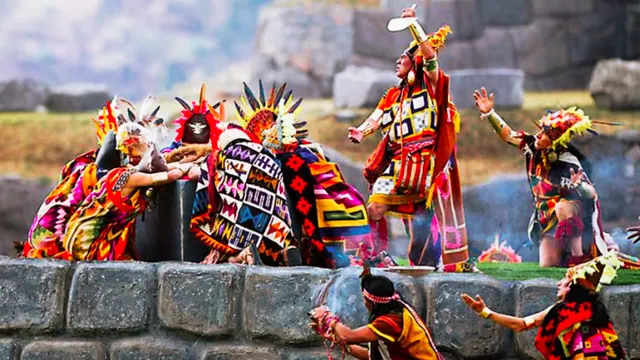
The high point is Inti Raymi, the Festival of the Sun, always on June 24, Cusco Day. It moves through three settings: the Qorikancha, the Plaza de Armas and Sacsayhuamán. Schedules, grandstands, free viewing areas and a plan for the day are in our Inti Raymi guide.
Tip: if you’re traveling in June, check EMUFEC’s official program before booking your excursions. The parades close the center for hours, and it makes no sense to leave Cusco on the very day of the festival you care about most.
July: the Virgen del Carmen in Paucartambo and the national holidays
Virgen del Carmen of Paucartambo
Paucartambo is a colonial town about 110 km from Cusco, at 2,906 m. From July 15 to 18 it celebrates the Mamacha Carmen, with the 16th as the main day. It’s one of the richest dance festivals in Peru and was declared Cultural Heritage of the Nation in 2006.
- The dances: more than a dozen troupes, such as the Qhapaq Qolla, the Qhapaq Chuncho, the Qhapaq Negro, the Contradanza, the Majeño or the Waca Waca. The saqras, with demon masks and colorful wigs, flee when the Virgin appears.
- July 16: dawn Mass in the early morning, festival Mass in the morning and a grand procession in the afternoon. In 2026 the procession left at 3 p.m.
- The church: the Virgin is venerated in the town’s colonial church, declared Cultural Heritage of the Nation in 2016 and restored by the Ministry of Culture between 2020 and 2023.
The town is small and receives thousands of visitors. If you want to stay overnight, look for lodging well in advance, or make it a day trip from Cusco.
National holidays (Fiestas Patrias)
July 28 and 29 are national holidays for the proclamation of Peru’s independence in 1821. July 23, Air Force Day, is also a national holiday. These are days of flags on the balconies and civic ceremonies, and of travel for many Peruvian families: book flights and buses ahead of time.
December: Santurantikuy and Christmas
The Santurantikuy is Cusco’s great Christmas folk art fair. It’s held every December 24 in the Plaza de Armas and was declared Cultural Heritage of the Nation in 2009. Its Quechua name refers to the buying of saints.
- What to see: more than 1,000 artisans from Cusco and other regions set up around the Plaza with religious imagery, retablos (portable altarpieces), ceramics, wood carvings, silverwork, Cusco School paintings and miniatures.
- The Niño Manuelito: he’s the star of Christmas in Cusco, the Andean version of the Christ Child, with rosy cheeks and a mischievous look. At the fair you’ll see dozens of versions of his image.
- Atmosphere: the fair runs all day and continues into the night, with hot ponche.
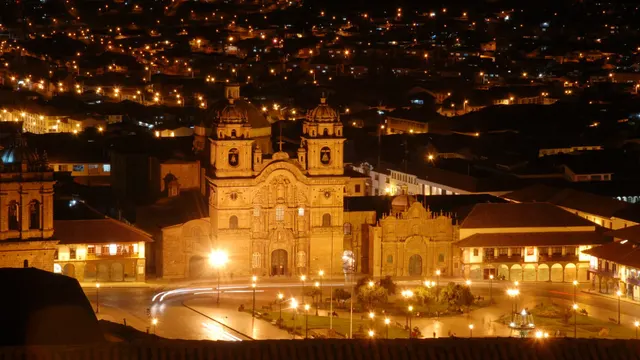
December 25 is a national holiday and a family day, with the Niño Manuelito at the center of the nativity scenes. For the night of the 24th, bring a warm layer and a rain jacket: December is the rainy season. Ideas for after the fair in Cusco at night.
Tips for experiencing Cusco’s festivals
- Book early. In June, July and Holy Week, buy your Machu Picchu ticket first, then the train and the hotel. Festival dates fill up sooner than the rest of the year.
- Respect the altitude. Cusco sits at about 3,399 m. Don’t plan an hours-long procession on the day you arrive. Rest for a day or two, drink water and avoid alcohol at first.
- Get around on foot and leave extra time. On the main days streets close and traffic stops. Allow twice as long for any transfer.
- Watch your belongings in the crowd. Backpack on your front, little cash and your phone put away.
- Respect what’s sacred. The processions, the Corpus Entrada and Qoyllur Rit’i are acts of faith, not shows. Don’t use flash inside churches, don’t climb walls or monuments, don’t block the path of the litters and ask permission before photographing dancers and devotees up close.
- Dress in layers. The midday sun burns and the night is cold. Full list in our Cusco packing list.
- Leave free days. Put the festival in the middle of your trip and build the rest around it with our 3-, 5- and 7-day Cusco itineraries.
Summary: which festival to choose for your trip
- You want the biggest celebration: June, with the jubilee month parades and Inti Raymi on the 24th. In 2027 Corpus Christi falls just before, on May 27.
- You’re looking for faith and tradition: the Lord of the Earthquakes on Holy Monday or the Corpus Christi Entrada.
- You’re into dance: the Virgen del Carmen in Paucartambo, July 15 to 18.
- You’re a mountain traveler and already acclimatized: Qoyllur Rit’i, with respect and cold-weather gear.
- You’re traveling in the southern summer: carnival with water and yunza, or the Santurantikuy on December 24.
- For any movable festival: start from Easter Sunday (March 28 in 2027) and confirm the programs close to the date.
Frequently asked questions
What are the most important festivals in Cusco?
Inti Raymi on June 24, Corpus Christi, the Lord of the Earthquakes on Holy Monday, Qoyllur Rit’i, the Virgen del Carmen in Paucartambo and the Santurantikuy on December 24. June is the month with the most celebrations.
When is Corpus Christi in Cusco in 2027?
On Thursday, May 27, 2027, 60 days after Easter Sunday. The Entrada of the saints into the Cathedral is the day before, May 26, and the Octave is on June 3.
When is Qoyllur Rit’i?
It’s a movable festival: most pilgrims arrive at the Sinakara sanctuary for Trinity Sunday, eight weeks after Easter. In 2027 that Sunday falls on May 23.
What day is the Lord of the Earthquakes procession?
On Holy Monday, six days before Easter Sunday. The procession leaves the Cathedral around 2 p.m. and returns at night; in 2027 it will be on March 22.
When is the Virgen del Carmen festival in Paucartambo?
From July 15 to 18 every year, with July 16 as the main day. Paucartambo is about 110 km from Cusco.
What is the Santurantikuy?
It’s the Christmas folk art fair held every December 24 in Cusco’s Plaza de Armas, with religious imagery, retablos and figures of the Niño Manuelito. It has been Cultural Heritage of the Nation since 2009.
When is carnival in Cusco?
In February or early March. The main day is the Sunday before Ash Wednesday: in 2027, February 7, with the Kacharpari one week later.
Do you need to book ahead for Cusco’s festivals?
Yes, especially for Holy Week, June and July. Buy your Machu Picchu ticket first, then the train and the hotel.
Official sources
CuscoAusangateQ’eswachaka Bridge

How we put this guide together
Written by Paul Pumalloclla · 17 years in tourism
- Official sources Prices, opening hours and rules checked against Peru’s Ministry of Culture, SERNANP, PromPerú and the train and bus operators.
- Sources cited Every guide links to the sources we used at the end.
- Always up to date When a rule changes, we update the guide and its date.
We’re not a travel agency: we don’t sell tours or take bookings. If a link belongs to a commercial partner, we label it next to the link, and that never changes the facts or the recommendations.
Guide history
- Published
- Last reviewed
Spotted something out of date?
Let us know and we’ll check it against the official source.
Report a change