Key facts
- Llamas and alpacas are domestic; vicuñas and guanacos are wild and protected.
- The llama is taller with long, banana-shaped ears; the alpaca is shorter and woollier, with short, pointed ears.
- Peru is the world’s leading producer of alpaca fiber, with about 4.7 million alpacas according to Midagri (2024).
- The 2025 vicuña census counted more than 300,000 animals in Peru, up from fewer than 10,000 about 50 years ago.
- Near Cusco you can see them at Sacsayhuamán, in the historic center, at Rainbow Mountain, Palcoyo and Humantay Lake.
- Legal vicuña garments carry the VICUÑA PERÚ mark, licensed by Serfor.
In this guide
- What are South American camelids?
- How to tell a llama, an alpaca, a vicuña and a guanaco apart
- What role do they play in Andean culture?
- Alpaca wool: what is baby alpaca?
- What is the vicuña, and why is it protected?
- The guanaco: the one you won’t see in Cusco
- Where to see llamas and alpacas near Cusco
- Street photos with llamas: how to do it right
- How to recognize genuine alpaca clothing
- Buying vicuña: what you need to know
- Summary: llamas and alpacas in Cusco
Four camelids live in the Peruvian Andes: the llama and the alpaca, which are domestic, and the vicuña and the guanaco, which are wild. The easiest way to tell a llama from an alpaca is size and ears: the llama is bigger and has long, banana-shaped ears; the alpaca is shorter, woollier and has short, pointed ears. Near Cusco you’ll see them grazing at Sacsayhuamán, on the high puna around Rainbow Mountain or with the families who pose with them in the city center, while the vicuña is a protected species whose fiber can only be sold legally under the VICUÑA PERÚ mark.
In Cusco, llamas and alpacas are part of everyday life: they come down to the Plaza de Armas with their owners, graze among the Inca walls and travel with the herders of the high communities. Here’s how to tell them apart, what role they play in Andean culture, where to see them responsibly and how to buy alpaca wool without getting fooled.
What are South American camelids?
South American camelids, also called auquénidos in Spanish, are distant relatives of camels and dromedaries. The FAO describes them as mammals native to South America and points out that the llama and the alpaca are the only ones that were ever domesticated. The vicuña and the guanaco are still wild animals.
- Llama (Lama glama): domestic. It’s the traditional pack animal of the Andes.
- Alpaca (Vicugna pacos): domestic. It’s raised mainly for its fiber.
- Vicuña (Vicugna vicugna): wild and protected. It produces one of the finest fibers in the world and appears on Peru’s national coat of arms.
- Guanaco (Lama guanicoe): wild. In Peru it’s listed as critically endangered.
All of them have long necks and legs and no hooves: they carry their weight on soft pads, with two nailed toes on each foot. That’s why, according to the FAO, alpacas don’t damage the pastures they walk on.
How to tell a llama, an alpaca, a vicuña and a guanaco apart
The most common mix-up is between llamas and alpacas, because both are domestic and often graze in the same herds. Look at three things: height, ears and how much wool they have. The llama is taller, with a longer, barer face and ears that curve like a banana. The alpaca is smaller and rounder, with more fiber on its head and short, spear-shaped ears. The vicuña is slender and delicate, cinnamon-colored with a white chest, and you’ll almost always see it from a distance, in small groups.
| Species | Size | Ears and features | Fiber | Main use | Domestic? |
|---|---|---|---|---|---|
| Llama | The largest domestic camelid: 1.02 to 1.27 m at the withers and 120 to 200 kg | Long, banana-shaped; long face with little wool | Coarser: 28 to 35 microns depending on the type | Pack animal, meat and fiber for rustic weaving | Yes |
| Alpaca | 76 to 97 cm at the withers and 60 to 80 kg | Short, spear-shaped; very woolly head and body | Fine and soft, in 23 natural colors | Fiber for clothing; also meat | Yes |
| Vicuña | The smallest of the four: 40 to 50 kg | Slender body, cinnamon back and white chest | About 15 microns, among the finest in the world | Fiber obtained in the chaccu, from live animals | No: wild and protected |
| Guanaco | The largest wild camelid: 120 to 150 kg | Large, pointed ears; brown coat with a pale belly | Highly valued by local communities, according to the FAO | None: a conservation priority, critically endangered in Peru | No: wild |
Llama and alpaca measurements from the Merck Veterinary Manual; vicuña and guanaco figures and fiber fineness from the Andina news agency; alpaca colors from Midagri.
Alpacas: Huacaya and Suri
There are two alpaca breeds. The Huacaya, the more common one, has a dense, crimpy fleece that makes it look like a stuffed animal. The Suri has straight fiber that hangs in long locks down the sides of its body. In the herds on the puna you’ll almost always see Huacayas.
What role do they play in Andean culture?
Alpacas have been raised in the Andes for more than 6,000 years, according to Midagri. Before the Spanish arrived there were no horses or oxen: the llama was the main pack animal and, together with the alpaca, provided fiber for clothing and meat. In the highlands, herds were a fundamental form of wealth.
You can see that importance in Inca art. At Choquequirao, a group of terraces has 24 llama figures made of white stones set into the dark wall, which seem to climb up the terraces. The Incas also saw a llama in the dark patches of the Milky Way and used it to organize the farming calendar.
Today, raising alpacas is still the livelihood of many high Andean communities. Midagri counts more than 90,000 producers in the country, many of them living above 4,000 m, and notes that women do more than 60% of the work in the chain, from shearing to sales. Peru celebrates National Alpaca Day on August 1 and National Vicuña Day on November 15. The United Nations declared 2024 the International Year of Camelids.
Alpaca wool: what is baby alpaca?
Peru is the world’s leading producer of alpaca fiber, according to the Ministry of Agrarian Development and Irrigation (Midagri). In 2024 the ministry estimated about 4.7 million alpacas in the country, around 80% of the world population. INEI’s most recent National Agricultural Census, from 2012, had counted 3,685,000. The main alpaca-raising regions are Puno, Huancavelica, Arequipa, Cusco and Apurímac.
- Natural colors: alpaca fiber comes in 23 natural colors, from white to black through grays and browns, so many garments need no dye.
- Exports: in 2022 Peru exported about US$93.8 million worth of alpaca fiber, mainly to Asia, Europe and the United States.
- Grades: after shearing, the fiber is sorted into quality grades. Andina lists Royal, Baby, Super Baby, Fleece, Medium Fleece, Huarizo and coarse, which are separated by fineness.
So “baby alpaca” on a label doesn’t necessarily mean the wool came from young animals. It’s the name of a fiber quality grade. A baby alpaca garment is usually softer and more expensive than one made of regular alpaca, but it has nothing to do with vicuña.
What is the vicuña, and why is it protected?
The vicuña is the wild camelid of the puna, living above 3,200 m. Its fiber, about 15 microns in diameter, is one of the finest in the world. That fiber nearly wiped it out: according to Peru’s Ministry of the Environment, about 50 years ago there were fewer than 10,000 vicuñas left in Peru.
Today the population has recovered. The 5th National Vicuña Census, carried out by the National Forest and Wildlife Service (Serfor) in 2025, counted more than 300,000 in its preliminary results, compared with nearly 209,000 in the 2012 census. The Ministry of the Environment puts the figure at about 350,000, the largest population in the world. In the Cusco region the preliminary count recorded about 20,000.
The chaccu: shearing live vicuñas
Legal fiber is obtained through the chaccu, a traditional practice inherited from the Incas. Communities capture the wild vicuñas, shear them without harming them and release them back onto the puna. According to Andina, each vicuña is sheared every two years and yields about 200 grams of fiber per shearing. Serfor authorizes the communities that manage the species: according to Andina, 331 of the 635 rural organizations in vicuña territory hold that authorization.
What the law and CITES say
- In Peru: the vicuña is on the official list of threatened wildlife (Supreme Decree 004-2014-MINAGRI). Hunting, capturing, possessing, transporting or selling vicuñas or their fiber without proof of legal origin is a crime.
- Under CITES: Peru’s entire population is listed in Appendix II, but only for trade in fiber sheared from live vicuñas and the products made from it. Any other product, such as hides or meat, is treated as if the species were in Appendix I, the strictest category.
- Marks: legal cloth and garments carry the VICUÑA PERÚ mark, and handicrafts carry VICUÑA PERÚ – ARTESANÍA. Serfor grants the license to use them to guarantee their legal, Peruvian origin.
The guanaco: the one you won’t see in Cusco
The guanaco is one of the largest wild land mammals in South America, according to the FAO. It looks like a slender llama, with a reddish-brown coat and an almost white belly. In Peru it’s officially critically endangered, and Serfor and Midagri are working on conservation plans. Its main populations are far from Cusco, in regions such as Arequipa, Ayacucho and La Libertad, so you’re very unlikely to see one on a trip around the Cusco region. Under CITES it’s listed in Appendix II.
Where to see llamas and alpacas near Cusco
You don’t have to go far: llamas and alpacas are in the city and on almost every high-altitude excursion. These are the easiest places.
Sacsayhuamán and downtown Cusco
On the esplanades of Sacsayhuamán, at about 3,700 m, you’ll often see llamas and alpacas grazing next to the walls. Downtown, especially in the Plaza de Armas, in San Blas and on the streets that climb to the viewpoints, you’ll find families in traditional dress offering photos with llamas or baby alpacas in exchange for a tip. The San Blas neighborhood also has weaving workshops and textile shops.
Rainbow Mountain and Palcoyo
The puna of the Vilcanota range is herding country. On the route to Rainbow Mountain you’ll see herds of alpacas and llamas, wetlands and the herders’ stone houses, and at the viewpoint, at about 5,036 m, people from the community offering photos with alpacas. At Palcoyo, at about 4,900 m, the walk is shorter and quieter, also with alpacas, llamas and herders. Farther on, the treks around Ausangate cross whole valleys of herds.
Humantay Lake
At Humantay Lake, at about 4,200 m, the landscape is glacial rather than grazing puna, so you’ll see fewer herds than in the Vilcanota. Even so, it’s common to find locals offering photos with llamas or alpacas by the lake.
Textile and camelid centers
In Chinchero, on the way to the Sacred Valley, the weaving centers show how wool is washed with roots, dyed with plants, minerals and cochineal and woven on a backstrap loom. Along the road from Cusco to the valley there are also centers that combine a small camelid exhibit with textile sales, and some present themselves as rescue centers. Before you go, ask where the animals come from, how they’re cared for and who the money from sales goes to.
Wild vicuñas
Vicuñas live on the high puna, far from the city, and run away from people. If you spot a group from the road or on a high-altitude trek, keep your distance, don’t chase them for a photo and use your zoom.
Important: almost all the places with herds are well above Cusco, which sits at about 3,399 m. Save your puna excursions for after two or three days of acclimatization, and read our guide to altitude sickness in Cusco.
Street photos with llamas: how to do it right
Posing with llamas and alpacas is work for the families who offer it downtown. It’s a fair exchange as long as it’s done respectfully. Follow these guidelines:
- Always ask permission. That goes for the person and the animal. A sneaky photo of a woman with her llama is a photo of a person taken without her consent.
- Agree on the tip first. Ask how much it is before you raise your camera. That way you avoid misunderstandings at the end. Carry coins or small bills.
- Check on the animal. If it’s tied up in the sun with no water, looks exhausted or is a very young baby being carried around for hours, it’s better not to pay for the photo.
- Don’t feed them bread, candy or street food. They eat grass, and human food is bad for them.
- Don’t hug them or climb on them. Approach slowly from the side and let the owner hold them. A llama that feels threatened may spit or kick.
Tip: the best llama photos aren’t the ones in the Plaza, but the ones of herds on the puna, with the herders and mountains in the background. If you do the Rainbow Mountain or Palcoyo excursion, you’ll have plenty of chances, and your tip will go straight to the community.
How to recognize genuine alpaca clothing
In Cusco’s markets everything looks like alpaca, but not everything is. A cheap sweater or scarf may be synthetic or a blend with very little alpaca. These are the signs worth checking:
- Read the label. Look for the composition: “100% alpaca,” “baby alpaca” or the exact percentage of each fiber. If there’s no label, ask.
- Be wary of very low prices. A quality alpaca garment costs more than a synthetic one, and a handmade piece with natural dyes costs more still.
- Look at the colors. If you want undyed alpaca, choose the natural shades, from white to black through browns and grays. Alpaca is also dyed, so a bright color proves nothing on its own: the label is what counts.
- Buy where they explain the origin. Weavers’ workshops, cooperatives and shops that name the community or the fiber on the label give you more assurance than an anonymous stall.
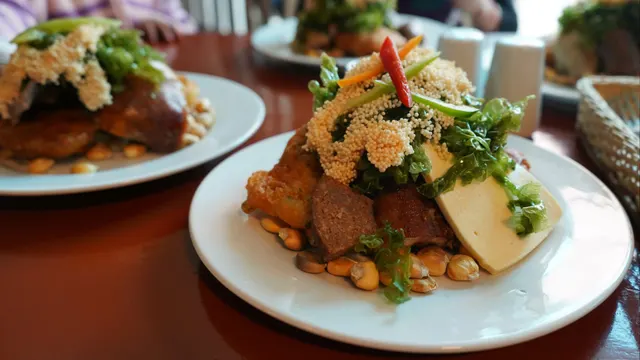
If you’re curious about alpaca on your plate too, alpaca meat appears on many menus in Cusco. See our guide to traditional Cusco food.
Buying vicuña: what you need to know
Genuine vicuña is one of the most expensive fibers in the world, and it’s produced in very small quantities. A “vicuña” scarf at a market-stall price isn’t vicuña. If you want the real thing:
- Insist on the mark: cloth or garments must carry VICUÑA PERÚ, and handicrafts VICUÑA PERÚ – ARTESANÍA. Under CITES, on cloth the mark goes on the reverse side and the selvages, and on garments, on a sewn-in label.
- Ask for an invoice and keep it with the garment.
- Never buy hides or loose fiber without documents. The only legal fiber is sheared from live vicuñas, and possessing it without proof of legal origin is a crime.
- Check your home country’s rules. Before traveling with a vicuña garment, check with customs and the CITES authority in your destination country.
Summary: llamas and alpacas in Cusco
- Four species: the llama and alpaca are domestic; the vicuña and guanaco are wild and protected.
- Llama or alpaca: the llama is taller, with long, banana-shaped ears; the alpaca is shorter and woollier, with short, pointed ears.
- Where to see them: Sacsayhuamán and downtown Cusco, the puna around Rainbow Mountain and Palcoyo, Humantay Lake and the textile centers of Chinchero.
- Photos: ask permission, agree on the tip first and don’t pay if the animal is poorly cared for.
- Alpaca: Peru is the world’s leading producer; “baby alpaca” is a fiber grade, not necessarily the animal’s age.
- Vicuña: it’s only legal with the VICUÑA PERÚ mark and an invoice; never buy hides.
Frequently asked questions
What’s the difference between a llama and an alpaca?
The llama is bigger, 120 to 200 kg, and has long, banana-shaped ears. The alpaca weighs 60 to 80 kg, has short, spear-shaped ears and much more fiber.
Where can you see llamas and alpacas in Cusco?
On the esplanades of Sacsayhuamán, in the Plaza de Armas and San Blas with the families who pose with them, and on the puna around Rainbow Mountain, Palcoyo and Humantay Lake.
Do you have to pay for a photo with a llama in Cusco?
Yes, people who pose with llamas and alpacas expect a tip. Ask permission and agree on the amount before you take the photo.
Does baby alpaca come from baby alpacas?
Not necessarily. “Baby” is the name of one of the quality grades that alpaca fiber is sorted into according to its fineness.
Is it legal to buy vicuña clothing in Peru?
Yes, if it’s made from fiber sheared from live vicuñas and carries the VICUÑA PERÚ or VICUÑA PERÚ - ARTESANÍA mark. Ask for an invoice and check your country’s customs rules before you travel.
Why is the vicuña protected?
Because hunting for its fiber nearly wiped it out. It’s on Peru’s list of threatened wildlife and under CITES, which only allows trade in fiber sheared from live animals.
Can you see vicuñas near Cusco?
It’s possible on the region’s high puna, where the preliminary 2025 census counted about 20,000, but they live far from the city and run from people. Always watch them from a distance.
Are there guanacos in Cusco?
You’re very unlikely to see one. In Peru the guanaco is critically endangered, and its main populations are in regions such as Arequipa, Ayacucho and La Libertad.
Official sources
- INEI: 2012 National Agricultural Census, alpaca population inei.gob.pe · PDF · Download the original PDF
- Merck Veterinary Manual: comparison of llamas and alpacas merckvetmanual.com
SacsayhuamánRainbow MountainHumantay LakePalcoyo Rainbow MountainChinchero

How we put this guide together
Written by Paul Pumalloclla · 17 years in tourism
- Official sources Prices, opening hours and rules checked against Peru’s Ministry of Culture, SERNANP, PromPerú and the train and bus operators.
- Sources cited Every guide links to the sources we used at the end.
- Always up to date When a rule changes, we update the guide and its date.
We’re not a travel agency: we don’t sell tours or take bookings. If a link belongs to a commercial partner, we label it next to the link, and that never changes the facts or the recommendations.
Guide history
- Published
- Last reviewed
Spotted something out of date?
Let us know and we’ll check it against the official source.
Report a change