Key facts
- The United States keeps Peru at Level 2 of 4 (advisory of September 4, 2026) and states that Cusco, the Sacred Valley, the Inca Trail and Machu Picchu are not in the Level 4 areas.
- The UK, Canada and Spain don’t advise against Cusco either: the areas they ask travelers to avoid are the VRAEM and the Colombian border in Loreto.
- The most common risk is petty theft in markets, terminals and downtown streets; book taxis by app, by phone or at your hotel.
- Peru’s Ministry of Culture has debunked fake ticketing sites such as “tuboletocultura.pe”: buy only on its official platform.
- In the rainy season, from November to May, landslides can cut the railway to Machu Picchu, as happened on March 30, 2026, at km 115.
- Key numbers: police 105, fire department 116, Tourist Police 980 122 335 (WhatsApp) and iPerú (+51) 944-492-314, 24 hours a day.
In this guide
- Is it safe to travel to Peru and Cusco? What governments say
- The most common risks for tourists in Cusco
- Mountains and trekking: don’t go without a guide or without telling someone
- Natural and health risks: altitude, rain and landslides
- What to do in an earthquake, according to INDECI
- Protests, strikes and roadblocks: how to stay informed
- Safety for women traveling alone
- Risks in Cusco: where they happen and how to avoid them
- Useful phone numbers in Cusco
- Summary: the essentials for a safe trip to Cusco
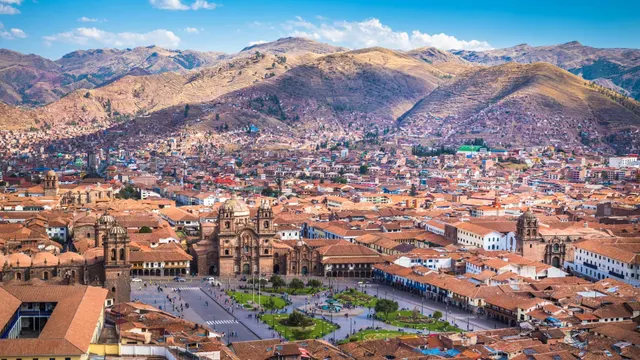
Yes, Cusco is a reasonably safe destination if you take the normal precautions of any tourist city. None of the governments we checked tells travelers to avoid the city, the Sacred Valley, the Inca Trail or Machu Picchu: the United States keeps Peru at Level 2 of 4 and Canada at “exercise a high degree of caution,” and the areas they warn against are far from the tourist routes. The real risks for travelers are different: petty theft, taxis hailed on the street, spiked drinks, fake tickets, the altitude and rail or road closures caused by rain or protests.
From Cusco we see it every season: most of the problems travelers run into aren’t serious, but many could have been avoided with better information. This guide sums up what official travel advisories say, which risks are real and what to do in each case. All official advisories were checked on October 26, 2026; they change often, so check them again before you travel.
Is it safe to travel to Peru and Cusco? What governments say
Government travel advisories are the most serious reference, and they’re reviewed often. Here are four of them, as they stood on the date we checked.
| Country | Level for Peru | What it says about Cusco | Last updated |
|---|---|---|---|
| United States (Department of State) | Level 2 of 4: exercise increased caution, due to crime, unrest, kidnapping and terrorism | States that the city of Cusco, the Sacred Valley, the Inca Trail and Machu Picchu are not in the Level 4 areas | September 4, 2026 |
| United Kingdom (FCDO) | No country-wide warning; advises against all but essential travel to only two areas | Not among the areas it advises against; mentions street crime in Lima, Cusco and Arequipa | October 9, 2026 |
| Canada | Exercise a high degree of caution, due to crime, social conflicts and strikes | No regional advisory for the city; three districts of La Convención (Pichari, Quimbiri and Vilcabamba) are included | October 15, 2026 |
| Spain (Ministry of Foreign Affairs) | Doesn’t advise against the country; lists high- and medium-risk areas | The historic center is a medium-risk area because of common crime, even in daytime | August 28, 2026 |
The areas governments ask travelers to avoid are mainly the VRAEM (the valleys of the Apurímac, Ene and Mantaro rivers) and the Colombian border in Loreto. The United States adds the cities of Abancay, Ayacucho, Huancavelica and Huancayo at Level 4. None of them is on the usual Cusco and Machu Picchu circuit. The part of the Cusco department that falls within the VRAEM is in La Convención province: according to Canada, the districts of Pichari, Quimbiri and Vilcabamba. If you’re planning an unusual route through that area, check the advisory maps.
Read carefully, the advisories don’t say Cusco is dangerous; they say it’s a city with a lot of common crime targeting tourists. Spain puts it this way: the Cusco region has recorded “cases of armed robbery and even sexual assaults on foreign tourists,” both at night and in broad daylight. It isn’t what most travelers experience, but it happens, and it’s worth knowing how these cases unfold.
The most common risks for tourists in Cusco
Pickpocketing and petty theft
This is the most common problem, according to the advisories themselves. Canada says pickpocketing and bag snatching are common in Cusco, especially in crowded places. The UK advises never leaving your bag unattended and not using your phone at the roadside, because of snatch thefts from motorbikes. In practice, the hot spots are markets, bus terminals, crowded festivals and downtown streets at night.
- Wear your backpack on your front in markets and processions.
- Don’t hang your bag on the back of a restaurant chair.
- Carry a copy of your passport and leave the original at the hotel when you don’t need it. Remember you’ll need it for the train and at Machu Picchu.
- Split your cash and cards between two places.
Unofficial taxis and express kidnappings
The U.S., UK and Canadian governments all mention “express kidnappings,” in which victims are taken to ATMs to empty their accounts. The United States describes them as rare. Canada notes that criminals often pose as taxi drivers. That’s why they all agree: don’t hail taxis on the street. Use taxis booked by phone, through an app or from your hotel. Taxis in Peru don’t have meters, so agree on the fare before you get in. If you’re robbed, the UK is clear: don’t resist and hand over what they ask for.
Money changers, ATMs and counterfeit bills
Canada warns that counterfeit bills are widely distributed and advises avoiding street money changers, who may carry fake currency or work with pickpockets. The UK notes that some changers in Cusco’s tourist areas have handed out intis, a currency no longer in circulation. Change money at exchange offices or banks, and use ATMs inside banks, supermarkets or shopping centers during business hours.
Machu Picchu tickets on fake websites
Peru’s Ministry of Culture has already had to debunk sites imitating its ticketing system. In January 2024 it warned that the site “tuboletocultura.pe” was fake: it differs from the official one, tuboleto.cultura.pe, by a single dot. A fake site can take your money and give you nothing, or sell you a ticket that won’t work at the gate.
Important: buy your Machu Picchu ticket only on the Ministry of Culture’s official platform or at its in-person sales points, and type the address into your browser yourself instead of following ads or links. The step-by-step process is in our guide to Machu Picchu tickets.
Spiked drinks and nightlife
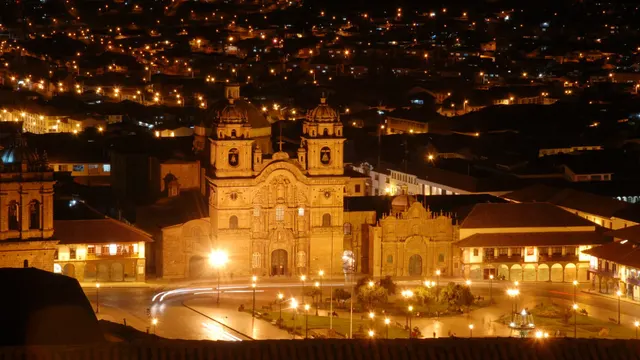
Spain reports cases of tasteless drugs slipped into drinks to rob or assault people, and recommends drinking only what you bought yourself and keeping it in sight. Canada adds food, gum and cigarettes offered by strangers. The UK also warns about methanol in adulterated alcoholic drinks: “even small amounts of methanol can kill.” If you go out, go with someone and get back in a taxi you’ve booked. Ideas for a sensible night out are in Cusco at night.
Street guides and informal services
Spain advises against hiring “spontaneous or informal guides” once you’re in Cusco, as it can be dangerous as well as a waste of money. Canada reminds travelers that operators may not meet the safety standards of their home country. Before paying for a tour, ask iPerú, PromPerú’s official service, whether the company is formal; ask for a receipt and be wary of offers on the street.
Mountains and trekking: don’t go without a guide or without telling someone
Hiking is one of Cusco’s great attractions, and also where a mistake costs the most. The UK points out that several hikers have died in the Peruvian Andes and that rescues are usually carried out on foot. Canada mentions assaults on the Inca Trail and advises hiking in groups. Spain recommends a certified guide, group outings and mountain rescue insurance.
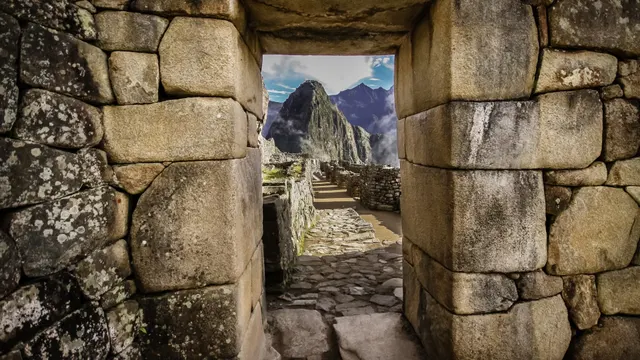
- Inca Trail: it can only be done with an authorized agency, so going on your own isn’t an option.
- Other routes: if you hike without a guide, leave your itinerary with someone and say when you’ll be back.
- Rainbow Mountain: Canada warns that access is often disrupted by disputes, sometimes violent, between communities. Confirm it’s open before you set off.
- Rafting on the Urubamba: Canada reports recent accidents and drownings. Choose formal operators and insist on a life jacket and helmet.
- Trail conditions: rockslides, mudslides and snow can cut routes such as Salkantay; check with iPerú before setting off, as the UK recommends.
To choose a route for your fitness level, see our comparison of treks to Machu Picchu and our guide to Rainbow Mountain.
Natural and health risks: altitude, rain and landslides
Altitude
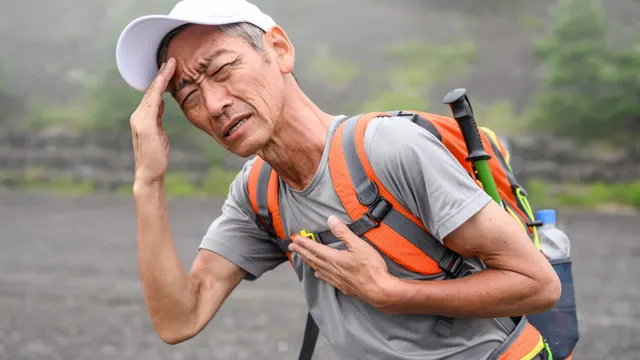
Cusco sits at about 3,400 m. Canada points out that the risk of altitude sickness starts at 2,500 m and that it can be serious. Spain advises resting when you arrive, especially if you fly in from Lima, eating light and using high-factor sunscreen. If symptoms get worse, the right move is to go down and seek medical care. An acclimatization plan and warning signs are in our guide to altitude sickness in Cusco.
A note on coca tea: it’s traditional in Peru, but the United States asks its citizens not to use coca products, because they’re considered a controlled substance and can interact with medications. We explain it in our guide to coca leaf. The same advisory asks travelers not to take ayahuasca or kambo, which are also offered in tourist areas such as Cusco, citing cases of serious illness, deaths, robberies and assaults.
Rain and landslides on the way to Machu Picchu
According to Canada, the rainy season in the Andes runs from November to May and brings flooding, mudslides and landslides that block roads. The railway to Machu Picchu runs through a narrow valley, and huaicos (debris flows of mud and rock) interrupt it from time to time. On March 30, 2026, for example, a huaico destroyed a section at km 115, in Mandor, suspending trains and foot traffic between Hidroeléctrica and Machu Picchu Pueblo, while the route from Ollantaytambo kept running.
- In the rainy season, leave a buffer day before your flight home.
- If you’re going via Hidroeléctrica, confirm the state of the line the day before.
- If the line is cut, follow the updates from the train operator and the Ministry of Culture before you move.
What to expect month by month is in our guide to Cusco weather, and schedules and operators in the one on the train to Machu Picchu.
What to do in an earthquake, according to INDECI
Peru lies on the Pacific Ring of Fire, one of the most seismically active zones in the world, according to INDECI. It’s worth knowing what to do before it happens. These are the guidelines from Peru’s National Civil Defense Institute (INDECI):
- Before: when you reach your hotel, locate the safe zones, the exits and the sturdy structures.
- During: stay calm, move away from windows and objects that could fall, and don’t use the elevator.
- After: watch out for aftershocks and stay away from buildings damaged by the quake.
- Just in case: INDECI recommends keeping bottled water, a flashlight, a first-aid kit and a battery-powered radio at hand. For a traveler, a flashlight, water and medication in your daypack are enough.
If an earthquake catches you on a street in the historic center, move away from old walls and balconies and head for an open space, such as a plaza.
Protests, strikes and roadblocks: how to stay informed
Strikes and roadblocks can change your plans overnight. The United States says demonstrations are common throughout the country and can shut down roads, trains and access to airports without warning. The UK mentions that trains to Machu Picchu are occasionally suspended because of protests. Spain adds that the Cusco region has recurring conflicts that can prevent excursions because of road closures.
During the strike of January 2023, Mincetur set up safe corridors from the airport to downtown Cusco, and 2,062 tourists were evacuated from Machu Picchu by train. In other words: when there’s a major conflict, the government activates specific help for tourists.
- Stay informed: follow the state news agency Andina, iPerú’s channels and your embassy’s alerts.
- Don’t take part: Peruvian law prohibits foreigners from political activities, and it can lead to detention or deportation.
- Avoid crowds and rallies, even if they look peaceful.
- If you’re stranded, contact iPerú or the Tourist Police and confirm your bookings with the train company and the airline.
Safety for women traveling alone
From Cusco we see many women travel alone without problems, but the official advisories are clear. The UK says sexual assaults are infrequent but do happen, mostly in the Cusco and Arequipa areas, and that unscrupulous tour agents have targeted young women traveling alone in the Cusco area. Canada adds that there have been assaults involving tour guides. The general recommendations agree:
- Book tours only with formal agencies and check who your guide will be.
- Avoid walking alone at night on empty streets and get back in a booked taxi.
- Be careful with invitations or rides offered by people you’ve just met.
- Share your location and itinerary with someone you trust.
- If you’re assaulted, report it to the police as soon as possible and contact your consulate. Peru’s government hotline 100 handles cases of sexual violence.
Risks in Cusco: where they happen and how to avoid them
| Risk | Where or when | How to avoid it |
|---|---|---|
| Theft of bags and phones | Markets, terminals, festivals, downtown streets at night | Backpack on your front, phone away at the roadside, nothing hanging on your chair |
| Fake taxi or express kidnapping | Taxis hailed on the street, especially at night | App, phone or hotel taxi; fare agreed in advance |
| Counterfeit bills | Street money changers | Exchange offices, banks and ATMs inside banks during business hours |
| Fake Machu Picchu ticket | Sites imitating the official one, resellers | Only the Ministry of Culture platform or its sales points |
| Spiked drink | Bars and clubs, invitations from strangers | Order and watch your own drink; don’t accept food or drinks from strangers |
| Informal guide or tour | Offers on the street and in the plaza | A formal company, checked with iPerú, and a receipt |
| Mountain accident or assault | Treks without a guide, isolated routes | Formal guide, group, shared itinerary and rescue insurance |
| Altitude sickness | First days in Cusco and mountain passes | Acclimatization, little alcohol and going down if you get worse |
| Landslides and rail closures | Rainy season, November to May | A buffer day and checking the state of the line |
| Strikes and roadblocks | Any time of year, with little notice | Follow official news, don’t take part and have a plan B |
| Earthquake | At any time | Locate safe zones and exits when you reach your hotel |
Useful phone numbers in Cusco
From a Peruvian cell phone, dial them as shown. From a foreign number, add +51 before 9-digit cell numbers.
- National Police switchboard: 105.
- Fire department: 116. Canada also lists it for medical assistance.
- Tourist Police (central, WhatsApp): 980 122 335.
- Cusco Tourist Police (landline): 084 235123.
- iPerú, PromPerú’s tourist information and assistance service: phone (+51 1) 574-8000 and WhatsApp (+51) 944-492-314, 24 hours a day, year-round.
- Civil Defense: 115.
- Domestic and sexual violence: hotline 100.
Tip: save these numbers on your phone before you arrive and write down your hotel’s and your consulate’s numbers on paper. iPerú can also help if a tourist service you paid for isn’t delivered as promised.
Good travel insurance with medical and rescue coverage rounds out your preparation. What to pack, including a first-aid kit, is in our Cusco packing list.
Summary: the essentials for a safe trip to Cusco
- Official advisories: the United States (Level 2 of 4), the UK, Canada and Spain don’t ask travelers to avoid Cusco or Machu Picchu; the areas they warn against are far from the tourist routes.
- Most common risk: petty theft. Watch your backpack and phone in crowded places.
- Taxis: never hail one on the street; book by app, by phone or at your hotel.
- Money: no street money changers; use ATMs inside banks.
- Machu Picchu: buy your ticket only on the Ministry of Culture’s official platform.
- Nights out: keep your drink in sight and get back in a booked taxi.
- Mountains: formal guide, a group and rescue insurance.
- Nature: acclimatize to the altitude, leave a buffer in the rainy season and learn what to do in an earthquake.
- Emergencies: police 105, fire department 116, Tourist Police 980 122 335 and iPerú 944-492-314.
Frequently asked questions
Is Cusco safe for tourists?
Yes, with the normal precautions of any tourist city. None of the governments we checked advises against Cusco or Machu Picchu; the most common risks are petty theft, taxis hailed on the street and spiked drinks.
Is Peru safe to travel to in 2026?
The United States keeps Peru at Level 2 of 4 and Canada asks travelers to exercise a high degree of caution, due to crime and social unrest. The areas they warn against, such as the VRAEM and the Colombian border in Loreto, are off the usual tourist routes.
Which areas of Peru should you avoid?
Governments agree on the VRAEM (the Apurímac, Ene and Mantaro river valleys) and the Colombian border in Loreto. The United States adds the cities of Abancay, Ayacucho, Huancavelica and Huancayo.
Is it safe to take a taxi in Cusco?
Yes, if you book it by app, by phone or through your hotel. Avoid hailing taxis on the street, especially at night, and agree on the fare before you get in, because they don’t have meters.
Is Cusco safe for women traveling alone?
Many women do it without problems, but UK and Canadian advisories mention assaults, sometimes by fake guides. Book only with formal companies, avoid empty streets at night and share your itinerary.
How can I tell if a Machu Picchu ticket website is fake?
Official sales belong to the Ministry of Culture, at tuboleto.cultura.pe and its in-person sales points. Type the address yourself and be wary of look-alike domains such as the fake “tuboletocultura.pe.”
What is the emergency number in Cusco?
The National Police switchboard is 105 and the fire department is 116. The Tourist Police answer on WhatsApp at 980 122 335, and iPerú at (+51) 944-492-314.
What should I do if there are protests or roadblocks during my trip?
Don’t take part, because the law prohibits foreigners from political activities, and avoid crowds. Follow official news and contact iPerú if you’re stranded.
Official sources
CuscoMachu PicchuInca TrailRainbow Mountain

How we put this guide together
Written by Paul Pumalloclla · 17 years in tourism
- Official sources Prices, opening hours and rules checked against Peru’s Ministry of Culture, SERNANP, PromPerú and the train and bus operators.
- Sources cited Every guide links to the sources we used at the end.
- Always up to date When a rule changes, we update the guide and its date.
We’re not a travel agency: we don’t sell tours or take bookings. If a link belongs to a commercial partner, we label it next to the link, and that never changes the facts or the recommendations.
Guide history
- Published
- Last reviewed
Spotted something out of date?
Let us know and we’ll check it against the official source.
Report a change