Key facts
- The San Pedro Central Market, built in the 1920s, has been part of Peru’s Cultural Heritage of the Nation since November 2024 (RVM 000331-2024-VMPCIC/MC).
- The claim that Gustave Eiffel designed San Pedro Market is not documented: the Ministry of Culture’s resolution doesn’t mention him and highlights its wooden structure.
- In Pisac and Chinchero the big day is Sunday, with a market of community produce and barter.
- An alpaca garment should carry a label with the composition in percentages; legal vicuña carries the VICUÑA PERÚ or VICUÑA PERÚ - ARTESANÍA mark, licensed by Serfor.
- Law 29073 regulates crafts in Peru, and Mincetur honors great masters as Amautas de la Artesanía Peruana.
- Don’t buy archaeological pieces, wildlife products or coca leaves to take home: according to Andina, trading in pre-Hispanic heritage goods is punished with 3 to 8 years in prison.
In this guide
- Cusco’s markets at a glance
- San Pedro Market: what it is and what to see
- Other Cusco markets and the San Blas workshops
- Pisac market: which day to go and what you’ll find
- Chinchero: weaving centers and the Sunday market
- What to buy in Cusco: traditional crafts
- What to buy, where, and what to check
- Recognized crafts: the Artisan Law and national awards
- How to haggle respectfully and how to pay
- What not to buy or take out of Peru
- Summary: Cusco markets and crafts
Shopping in Cusco comes down to three visits: the San Pedro Central Market, in the city, for breakfast, a fresh juice and a look at daily life; the Pisac market, in the Sacred Valley, for crafts, especially on Sunday; and Chinchero, to buy textiles straight from the weavers, also with a Sunday market. For souvenirs that mean something, choose alpaca textiles with a clear label, ceramics, religious figures and silverwork from workshops that explain what they do. And avoid three things: archaeological pieces, wildlife products and coca leaves to take home.
Here is each market, when to go and what to check before you pay. We don’t recommend specific shops or quote prices, because they change from one stall to the next.
Cusco’s markets at a glance
| Market | Where | Best day | Why go |
|---|---|---|---|
| San Pedro Central Market | Central Cusco, next to Plaza San Pedro | Any day, in the morning | Juices, breakfast, bread, fruit, flowers and herbs |
| Neighborhood markets | San Blas, Wanchaq and other neighborhoods | In the morning | Breakfast and a local feel, with few tourists |
| San Blas workshops | San Blas neighborhood, above the Plaza de Armas | Any day, during workshop hours | Religious figures, painting and ceramics bought from the maker |
| Pisac market | Plaza Constitución and nearby streets, Sacred Valley | Sunday | Crafts, farm produce and barter |
| Chinchero market | Town and weaving centers, Sacred Valley | Sunday | Traditional textiles and barter |
| Santurantikuy | Plaza de Armas, Cusco | December 24 | Christmas folk art |
San Pedro Market: what it is and what to see
The San Pedro Central Market (Mercado Central de San Pedro) is Cusco’s main food market. It’s within walking distance of the historic center, next to Plaza San Pedro and the train station of the same name. This is where people from Cusco buy their bread, fruit and meat: it’s the best window onto the city’s daily life. Entry is free.
History: from the Frisancho market to National Cultural Heritage
Its official name is Mercado Central San Pedro, Antiguo Mercado Frisancho. In November 2024, Peru’s Ministry of Culture declared it a monument of the Cultural Heritage of the Nation through Vice-Ministerial Resolution 000331-2024-VMPCIC/MC, published in El Peruano, the official gazette. The resolution places it between Túpac Amaru, Ccascaparo and Ghoring streets and Plaza San Pedro, on a plot of about 7,134 m².
According to the resolution, it was a major public work of 1920s Cusco and closed the era of open-air markets. It used building materials that were modern for the time, such as reinforced concrete strengthened with rails and corrugated metal roofing, and it had the largest covered area built in the city up to then. Since the declaration, any work on the building needs the Ministry’s approval.
Did Gustave Eiffel design it?
Many guides and tours repeat that the market’s structure is the work of Gustave Eiffel. We have found no official document that confirms it. The Ministry of Culture’s resolution describes the building in detail and doesn’t mention Eiffel; on the contrary, it stresses that wood was used in the structures “instead of iron, as was customary.”
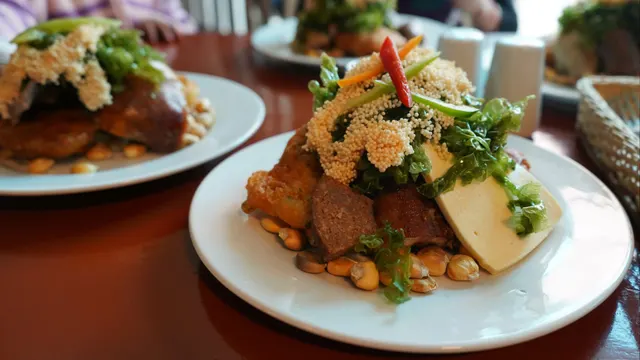
What’s inside: juices, food, bread, flowers and herbs
Walk through the whole market before you sit down to eat:
- Juices: the juice section, with long benches and fruit from the highlands and the jungle. You’ll often get a second pour from what’s left in the blender jug.
- Food: soups, set lunches (menú del día) and Cusco dishes such as adobo and lechón (roast pork). What to order, in our guide to traditional Cusco food.
- Bread and cheese: large regional loaves, such as the chuta from Oropesa, and fresh cheese.
- Fruit, potatoes and corn: native potatoes in every color, corn, grains and tropical fruit.
- Flowers: fresh flower stalls for homes, churches and festivals.
- Herbs: Andean aromatic and medicinal herbs, such as muña, which is drunk as a tea. Enjoy them during your trip, but don’t take plants or seeds home without checking your country’s agricultural rules.
When to go and how to look after your things
There are no official published opening hours. The market opens early and the best time is the morning, when the food stalls are busy and the fruit has just arrived; by mid-afternoon many stalls have closed. Bring coins and small bills, and ask before photographing the vendors.
Important: markets are among the places in Cusco with the most pickpockets. Wear your backpack on your front, keep your phone put away and split your money between two places, and don’t leave your bag on the bench while you eat. More advice in our guide Is Cusco safe?
Other Cusco markets and the San Blas workshops
If San Pedro feels too touristy, the neighborhood food markets work the same way, with more locals than travelers. The ones in San Blas and Wanchaq, for example, serve breakfast and soups from very early in the morning.
San Blas, the artisans’ neighborhood
On the steep streets of San Blas, families of religious image makers (imagineros), painters, potters and silversmiths have worked for generations. Many workshops open their doors onto the street: you can watch the work, ask about the technique and buy directly from the person who made the piece. Ask for a receipt, which is useful at customs. How to explore the area, in our guide to the San Blas neighborhood.
Santurantikuy, the Christmas fair
If you’re traveling in December, the great showcase of Cusco crafts is the Santurantikuy, the Christmas folk-art fair that fills the Plaza de Armas every December 24, with religious figures, nativity scenes and images of the Niño Manuelito (the Christ Child). More details in our calendar of Cusco festivals.
Pisac market: which day to go and what you’ll find
Pisac is the best-known craft market in the Sacred Valley. PromPerú, Peru’s tourism promotion board, calls it a must-see and highlights its textiles, ceramics, silver jewelry and other souvenirs, as well as the use of traditional craft techniques. The stalls fill the plaza and surrounding streets, at the foot of the great Inca archaeological park.
Sunday, the main day
Sunday is the big day. The District Municipality of Pisac runs the traditional Sunday market that day in the historic Plaza Constitución. Most sellers are women in traditional dress, producers from the town, the farming communities and neighboring districts, who bring crops and livestock products “from the farm to the pot.” According to PromPerú, communities also barter on Sundays in the main square.
On weekdays there are craft stalls too, with less going on. Some travel guides also mention Tuesday and Thursday, but neither the municipality nor PromPerú publishes that schedule.
How to combine it with the ruins
The best plan is to go up to the archaeological park first, which you visit with the Cusco Tourist Ticket, and then come down to the market. If you want to shop without rushing, go on your own on a Sunday: tours only stop here briefly. How to get there and what to see, in our guide to Pisac.
Chinchero: weaving centers and the Sunday market
Chinchero, on the high plateau of the Sacred Valley, is the place to understand Andean textiles. Cusco’s regional office of the Ministry of Culture (DDC Cusco) highlights its textile art as intangible heritage: knowledge passed down from generation to generation, with weavings that keep symbols of Inca culture and use natural dyes.
The weaving centers
There are several weaving centers in town, run by weavers. They usually show the whole process: how they wash the wool, how they get colors from plants, minerals and cochineal, and how they weave on a loom. The demonstration is usually free, because the centers live off the sale of their pieces. A hand-woven blanket with natural dyes takes far more work than a factory-made one, which is why it costs more.
The Sunday market
According to Lonely Planet, the Chinchero market is held on Tuesday, Thursday and, above all, Sunday, and it is less touristy than Pisac’s. On Sunday, families in traditional dress come down from the hills for the produce market, where barter is still practiced, which DDC Cusco describes as a deep-rooted practice that lets families vary their diet. More on the town and its ruins, in our guide to Chinchero.
Tip: before you buy a weaving, ask who made it, how long it took and which dyes were used. If the answer is vague, it probably wasn’t made by anyone from here.
What to buy in Cusco: traditional crafts
Cusco is a land of artisans. In 2019, according to the Andina news agency, the National Artisan Registry kept by Mincetur, Peru’s Ministry of Foreign Trade and Tourism, listed more than 76,000 people nationwide, and Cusco was the region with the most: 17%.
Alpaca, llama and sheep’s wool textiles
Sweaters, scarves, blankets, chullos (Andean hats with earflaps) and gloves. Alpaca is the softest and most sought-after fiber; llama gives a coarser fiber, for rustic weavings; and sheep’s wool is the basis of many community textiles. The differences between the camelids, in our guide to llamas and alpacas in Cusco.
In the markets everything seems to be alpaca, but not everything is: many garments are synthetic or blends with little alpaca. Check the following, with caution, because no home test is conclusive:
- Read the label: look for the composition with percentages, such as “100% alpaca” or “50% alpaca, 50% acrylic.” If there’s no label, ask, and be wary of an “all alpaca” with no further detail.
- Be wary of very low prices: good-quality alpaca costs more than acrylic, and a hand-knitted garment even more.
- Look at the colors: alpaca comes in many natural shades, from white to black through browns and grays. It’s also dyed, so a bright color proves nothing.
- Buy where they explain the origin: a weaving center or workshop that tells you the community, the fiber and the process gives you more assurance than an anonymous stall.
- Don’t burn threads: the famous burn test damages the garment, annoys the seller and doesn’t work on blends.
Vicuña: only with the official mark
The vicuña is a wild camelid protected under the CITES Convention, according to Peru’s Ministry of the Environment, and its fiber is among the finest and most expensive in the world. Only fiber sheared from live vicuñas is legal. Fabrics and garments made with it carry the mark VICUÑA PERÚ or, for handicrafts, VICUÑA PERÚ – ARTESANÍA, licensed by Peru’s National Forestry and Wildlife Service (Serfor) to guarantee their legal Peruvian origin. A “vicuña” scarf at a market-stall price is not vicuña. If you buy a genuine piece, keep the invoice.
Ceramics
Plates, cups, jugs and figures with Andean motifs, plus the little ceramic bulls placed on house roofs for protection. Wrap them well: they’re what breaks most often in a suitcase.
Religious figures and Cusco-style painting
Imaginería is the art of making religious images: Virgins, saints, angels and Niños Manuelitos, modeled with techniques that date back to the colonial period and painted in fine detail. The painting follows the style of the Cusco School (Escuela Cusqueña), the city’s great school of colonial painting, with its angels and gold backgrounds; today both copies and new works are painted in that style. Andina highlights Cusco imaginería among the craft traditions recognized by the state.
Retablos
A retablo is a wooden box with doors that opens like a small stage, with figures depicting festivals, trades or religious scenes. It’s a tradition from Ayacucho, whose greatest exponent was Joaquín López Antay, according to Andina, and you’ll find it in Cusco’s markets.
Silverwork
Silver earrings, rings, necklaces and brooches, sometimes set with stones from the region. Cusco silverwork is another of the traditions Andina highlights. Ask about the silver’s purity and, if it’s an expensive piece, ask for a receipt.
What to buy, where, and what to check
| What to buy | Where to look | What to check |
|---|---|---|
| Alpaca garments | Pisac, Chinchero, shops in the center | Label with composition in percentages and a sensible price |
| Traditional weavings | Chinchero weaving centers, Pisac market | Who wove it, with which dyes and how long it took |
| Vicuña garments | Only businesses that show the official mark | VICUÑA PERÚ or VICUÑA PERÚ – ARTESANÍA mark and invoice |
| Ceramics | Pisac, San Blas workshops | No cracks; packing for the trip |
| Religious figures and painting | San Blas workshops, Santurantikuy | Receipt stating it’s a new work or a replica |
| Retablos | Craft markets in Cusco and Pisac | Figures firmly glued and doors that close |
| Silverwork | Pisac, San Blas workshops | Silver purity and a receipt for an expensive piece |
| Food products | San Pedro Market | Sealed packaging and your country’s agricultural rules |
Recognized crafts: the Artisan Law and national awards
There is no single official seal that guarantees a piece is handmade, but there are clues. Law 29073, the Law of the Artisan and the Development of Craft Activity, from July 2007, established Peruvian Artisan Day, on March 19. According to Andina, the law considers a product a craft if it’s made by hand or with tools, even with mechanical means, as long as direct manual labor is the main component. Mincetur also keeps the National Artisan Registry (RNA), which brings together artisans and workshops from all over the country. Asking whether an artisan is registered is a simple way to tell whether they work at the craft.
The state also honors great masters:
- Amauta de la Artesanía Peruana: Mincetur grants this distinction, along with the Joaquín López Antay medal, to artisans with an outstanding record of preserving and spreading a traditional art.
- Gran Maestro de la Artesanía Peruana (Grand Master of Peruvian Crafts): according to Andina, Mincetur’s crafts directorate awarded this national prize in 2005 to the Ayacucho ceramist Virgilio Oré.
- Personalidad Meritoria de la Cultura (Distinguished Cultural Figure): the Ministry of Culture’s distinction. It has gone to Cusco masters of imaginería and silverwork and, in 2019, to the Asociación de Grandes Maestros Artesanos de Cusco, an association of master artisans.
The Ministry of Culture has also declared Cusco craft knowledge such as Raqchi pottery, Paucartambo masks and the traditional weaving of Pitumarca part of the Cultural Heritage of the Nation. And remember: many fine artisans have no awards.
How to haggle respectfully and how to pay
In craft markets, prices are negotiable, especially if you buy several pieces. In food markets such as San Pedro, food is cheap and there’s hardly any haggling.
- Compare two or three stalls before deciding.
- Make a reasonable counteroffer and accept a middle ground.
- Don’t haggle over handmade work as if it were factory-made: a loom-woven blanket takes many hours of work.
- If you name a price and the seller agrees, buy. Walking away afterward comes across badly.
- Carry cash in soles and small bills: stalls almost always take cash. ATMs, exchange and tipping, in our guide to money in Peru.
What not to buy or take out of Peru
Archaeological pieces and cultural property
Genuine archaeological and historical pieces are part of the Cultural Heritage of the Nation and cannot leave the country. They are protected by Law 28296, the General Law of the Cultural Heritage of the Nation, and by the 1970 UNESCO Convention against illicit trafficking. Buying them isn’t a souvenir: it’s a crime. According to Andina (June 2025), Article 228 of Peru’s Criminal Code punishes trading in pre-Hispanic heritage goods with 3 to 8 years in prison, plus fines.
If you buy a very faithful replica or an old-looking canvas, ask for a receipt stating that it’s a replica or a new work. The Ministry of Culture has a procedure to certify that an item is not cultural heritage before it’s exported; without it, a replica may be seized.
Wildlife products
Don’t buy feathers, claws, shells, skins or hides from wild animals, or crafts made with them. Serfor asks people not to use them and points out that wildlife is protected by Forestry and Wildlife Law 29763. If you see them for sale, you can report it to Alerta Serfor on WhatsApp, at +51 947 588 269. The same goes for loose vicuña fiber or skins: without the official mark, they aren’t legal.
Coca leaves and coca products
Coca tea is legal and common in Cusco, but the coca leaf is a controlled substance in most countries. Don’t take home leaves, tea bags, candies or coca flour, even if they’re sold to you as souvenirs. The details, in our guide to coca leaf in Cusco.
Important: if you’re unsure about any product, whether food, a plant, seeds, animal fiber or cultural property, check the official customs website of your destination country, and of any country where you have a layover, before you buy.
Summary: Cusco markets and crafts
- San Pedro: Cusco’s central market, Cultural Heritage of the Nation since 2024. Go in the morning for juices, breakfast, bread, flowers and herbs, and watch your belongings. The Eiffel attribution is not documented.
- Pisac: the Sacred Valley’s great craft market; on Sunday there’s a traditional Sunday market and barter.
- Chinchero: naturally dyed textiles at weaving centers, and a market with barter, especially on Sunday.
- San Blas: workshops for religious figures, painting and ceramics, where you buy from the maker.
- Alpaca: insist on a label with the composition and be wary of very low prices.
- Vicuña: only with the VICUÑA PERÚ or VICUÑA PERÚ – ARTESANÍA mark and an invoice.
- Never buy: archaeological pieces, wildlife products or coca leaves to take out of the country.
Combine San Pedro and San Blas with the rest of the historic center (see our guide to things to do in Cusco) and save a Sunday for Pisac or Chinchero.
Frequently asked questions
What can you buy at San Pedro Market in Cusco?
Mostly food: fruit juices, breakfast, soups and set lunches, regional bread, cheese, fruit, native potatoes, flowers and herbs such as muña. There are also a few craft stalls, with less variety than in Pisac or San Blas.
What time does San Pedro Market open?
There are no official published hours. It opens early and the best time is the morning; by mid-afternoon many stalls have closed.
Is it true that Eiffel designed San Pedro Market?
It isn’t documented. The Ministry of Culture resolution that declared it heritage in 2024 describes its 1920s architecture without mentioning Eiffel, and notes that wood rather than iron was used in its structures.
What day is the Pisac market?
The main day is Sunday, when the municipality runs the traditional Sunday market in Plaza Constitución and communities barter. On weekdays there are craft stalls too, with less going on.
What day is the Chinchero market?
According to Lonely Planet, Tuesday, Thursday and, above all, Sunday, when families from the communities come in and barter takes place.
What should I buy in Cusco as a souvenir?
Alpaca textiles or traditional Chinchero weavings, ceramics, Cusco-style religious figures and painting, retablos and silverwork. If you can, buy directly from the person who made the piece.
How can I tell if a garment is real alpaca?
Read the label and look for the composition in percentages, be wary of very low prices and buy where they explain the fiber and its origin. No home test is conclusive, and the burn test damages the garment.
Is it legal to buy vicuña clothing in Cusco?
Yes, if it’s made from fiber sheared from live vicuñas and carries the VICUÑA PERÚ or VICUÑA PERÚ - ARTESANÍA mark, licensed by Serfor. Ask for an invoice and check your country’s customs rules before traveling.
Can you haggle in Cusco’s markets?
In craft markets, yes, respectfully and without overdoing it, especially if you buy several pieces. In food markets there’s hardly any haggling, and handmade work shouldn’t be bargained down as if it were factory-made.
Do Cusco’s markets take credit cards?
Stalls almost always take cash. Carry soles in small bills and coins.
Can I take a replica of Inca pottery or a colonial-style painting out of Peru?
Replicas and new works, yes, but ask for a receipt that says so. The Ministry of Culture has a procedure to certify that an item is not cultural heritage before export; without it, a replica may be seized. Genuine pieces cannot leave the country.
Can I take coca leaves home as a souvenir?
It’s not a good idea: coca leaves and coca products, such as candies or tea bags, are controlled in most countries. Check the customs rules of your destination country and of any layover countries.
Official sources
San Blas NeighborhoodPisacChincheroSacred Valley of the IncasCusco

How we put this guide together
Written by Paul Pumalloclla · 17 years in tourism
- Official sources Prices, opening hours and rules checked against Peru’s Ministry of Culture, SERNANP, PromPerú and the train and bus operators.
- Sources cited Every guide links to the sources we used at the end.
- Always up to date When a rule changes, we update the guide and its date.
We’re not a travel agency: we don’t sell tours or take bookings. If a link belongs to a commercial partner, we label it next to the link, and that never changes the facts or the recommendations.
Guide history
- Published
- Last reviewed
Spotted something out of date?
Let us know and we’ll check it against the official source.
Report a change