Key facts
- Chicha de jora is made from sprouted corn (wiñapu) and its alcohol varies: from 1.1% to 10.3% in 83 homemade samples analyzed by the UNMSM.
- Chicherías are marked by a pole with a red bag at the door; the Cusco picantería and chichería have been Cultural Heritage of the Nation since 2015.
- Frutillada is chicha de jora with strawberry and also contains alcohol; chicha morada is an alcohol-free purple corn soft drink.
- Coca tea is legal and common in Cusco, but it doesn’t prevent altitude sickness and shouldn’t be taken home.
- Pisco isn’t made in Cusco: its 1990 Designation of Origin covers the coast of Lima, Ica, Arequipa, Moquegua and three valleys in Tacna.
- No alcohol for the first 48 hours at altitude and no tap water: drink sealed, boiled or filtered water.
In this guide
- Which traditional drinks to try in Cusco: the summary table
- Chicha de jora: the corn drink of the Andes
- Chicherías and picanterías: the red flag at the door
- Frutillada: the pink chicha with strawberry
- Chicha morada: the alcohol-free purple corn drink
- Teas and infusions: coca, muña and chamomile
- Emoliente and hot street drinks
- Pisco and pisco sour: Peru’s flagship drink
- Coffee, beer and other Cusco drinks
- How to drink safely in Cusco: altitude, alcohol and water
- Summary: what to drink in Cusco, case by case
The traditional drinks of Cusco are chicha de jora, a fermented drink made from sprouted corn with some alcohol; frutillada, which is chicha de jora with strawberry; chicha morada, a purple corn soft drink with no alcohol; coca, muña or chamomile tea; and hot emoliente from street carts. Pisco is everywhere too, although it isn’t made in Cusco. If you’ve just arrived, start with the alcohol-free drinks and save chicha and pisco for when you’ve spent a couple of days in the city.
Here in Cusco, drinks are as much a part of daily life as food: the welcome cup of coca tea at the hotel, the glass of chicha at the neighborhood picantería, the steaming emoliente in the morning. Here’s what each one is, how much alcohol it has and where to try it, with an eye on the altitude and the water.
Which traditional drinks to try in Cusco: the summary table
| Drink | What it is | Alcohol? | Where and when it’s drunk |
|---|---|---|---|
| Chicha de jora | Fermented sprouted corn | Yes, varying strength | Chicherías and picanterías, at midday with food; festivals |
| Frutillada | Chicha de jora with frutilla (strawberry) | Yes, varying strength | Picanterías in Cusco and the Sacred Valley |
| Chicha morada | Purple corn soft drink with fruit and spices | No | Set lunch menus, restaurants and markets |
| Coca tea | Coca leaf infusion | No | Hotels, on arrival and at breakfast |
| Muña or chamomile tea | Herbal infusions | No | After meals, in restaurants and cafés |
| Emoliente | Hot drink of barley, flaxseed and herbs | No | Street carts, early morning and after dark |
| Pisco | Grape brandy from the southern coast | Yes, strong | Bars and restaurants |
| Pisco sour | Cocktail of pisco, lime, syrup and egg white | Yes | Bars and restaurants, as an aperitif |
| Beer | Mass-produced or craft | Yes | Restaurants, bars and festivals |
| Coffee | Arabica from La Convención province | No | Cafés and breakfast |
Chicha de jora: the corn drink of the Andes
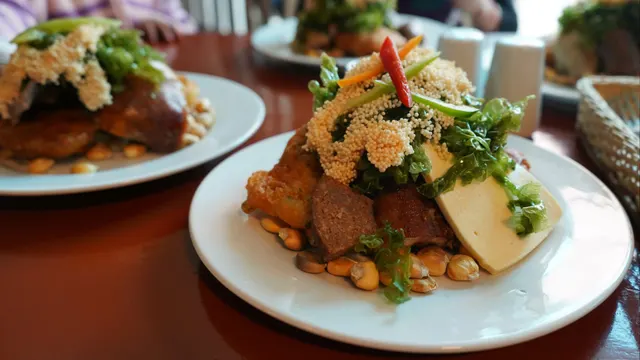
Chicha de jora is Cusco’s quintessential traditional drink. It’s made with jora, corn that has been sprouted, which in Quechua is called wiñapu; that’s why it’s also known as chicha de wiñapu. It’s yellowish and cloudy, sour and slightly sweet. It’s served cool, in large glasses, alongside picantería dishes such as adobo or chiri uchu, which we describe in our guide to traditional Cusco food.
How chicha de jora is made
The traditional process, as described by the Smithsonian’s National Museum of the American Indian, follows these steps:
- Sprout the corn: the kernels are kept moist until they sprout. That sprouted corn is the jora.
- Dry and grind: the jora is dried and ground.
- Boil: the flour is boiled in water.
- Strain: the liquid is strained to remove the bran.
- Ferment: it’s left to ferment in ceramic vessels. Fermentation is spontaneous: no selected yeasts are added.
In the highlands the corn isn’t chewed. That technique, in which saliva helps turn starch into sugar, has been documented in warm lowland areas.
Chicha in Inca times
For the Incas, chicha was a ceremonial drink: it was used to toast the ancestors and invoke the sacred. According to the National Museum of the American Indian, the acllas, chosen women in the service of the state, tended terraces of sacred corn and brewed chicha for imperial use.
- Toasts between unequals: the invitation always went from superior to inferior. Accepting it meant receiving a favor and incurring a debt.
- Keros in pairs: toasts were made with pairs of identical cups, the keros, carved with symbols of identity, rank and belief.
- Reciprocity: at feasts, chicha and food were handed out, and in return people provided labor on canals and roads.
The tradition lives on. The reenactment of Inti Raymi, every June 24, includes a rite of chicha offerings. And in many homes, before drinking, people pour a few drops on the ground for Pachamama, Mother Earth. More background in our guide to Inca history and culture.
How much alcohol does chicha de jora have?
It has no fixed strength. Because it’s homemade and spontaneously fermented, it varies with how many days it has been fermenting and with who makes it. A study by the Universidad Nacional Mayor de San Marcos analyzed 83 samples of homemade chicha de jora from the province of Abancay, in the neighboring Apurímac region, and found between 1.1% and 10.3% alcohol. A glass can be as mild as a light beer or as strong as a wine.
The same study measured biogenic amines, compounds formed during fermentation: in some of the samples, histamine and tyramine exceeded the reference limits. That’s no reason not to try it, but it is a reason to take it slowly and in busy places.
Tip: order half a glass first and try it with food. If you have a sensitive stomach, are taking medication or it’s your first or second day in the city, wait. Chicha morada, which has no alcohol, is fine from day one.
Chicherías and picanterías: the red flag at the door
Chicherías are homes where chicha is made and sold; picanterías also serve traditional food. In November 2015, Peru’s Ministry of Culture declared the Cusco picantería and chichería part of the Cultural Heritage of the Nation (Vice-Ministerial Resolution 157-2015-VMPCIC-MC). The resolution describes them as places for preparing and selling traditional food and chicha de wiñapu, meeting places between social groups and a bridge between city and countryside.
How to spot a chichería
Many have no sign. The signal is a pole at the door or on the façade with a red plastic bag, or a red rag, tied to the tip: it announces that there’s chicha. El Comercio reported it in 2015: on Cusco’s streets you can spot red bags tied to a pole, just as a white flag is used in northern Peru. The National Museum of the American Indian describes the same signal in Ollantaytambo, in the Sacred Valley.
Eating while drinking has a history. According to a historian quoted in that El Comercio article, a 1575 ordinance by Viceroy Toledo required chicherías to have an oven, so that chicha wasn’t drunk on an empty stomach.
How to order and what to expect
- Where: mostly in the neighborhoods where Cusco locals live and in the towns of the Sacred Valley and the South Valley. A few traditional picanterías remain in the center.
- When: at midday and early afternoon, lunchtime.
- How: by the glass or by the jug. Bring cash and small bills.
- The atmosphere: simple and family-run. Ask before photographing people.
Frutillada: the pink chicha with strawberry
Frutillada is chicha de jora mixed with frutilla, as strawberries are called in Cusco, which are grown in the region’s valleys. It’s pink, sweeter and fruitier than plain chicha, and very popular in the picanterías of Cusco and the Sacred Valley. It tends to go down better with first-time chicha drinkers. But it contains chicha de jora, so it has alcohol too, even if the sweetness hides it. Because it depends on frutilla being available, it isn’t always on offer: ask at the picantería.
Chicha morada: the alcohol-free purple corn drink
Despite the name, chicha morada has nothing to do with chicha de jora: it isn’t fermented and has no alcohol. Its technical standard, NTP 103.004 of 2023 from the National Institute of Quality (INACAL), classifies it as a soft drink and defines it as a beverage obtained mainly by hot-water extraction from the cob and kernels of purple corn, with fruits such as pineapple, apple or quince and spices such as cinnamon or cloves.
- Flavor: sweet, spiced and slightly tart. Served cold.
- Where: on almost every set lunch menu, in restaurants and in markets. It’s also sold bottled.
- For whom: everyone, including kids and new arrivals. On the street, choose busy stalls and order it without ice.
Teas and infusions: coca, muña and chamomile
In Cusco, any herbal infusion is called mate. It’s the first thing you’ll be offered at your hotel and what people drink after meals.
Coca tea
It’s an infusion of coca leaves, herbal and slightly bitter. In Peru it’s legal and common: almost every hotel has leaves or tea bags at breakfast. It’s a deep-rooted custom and a pleasant drink, but there’s no evidence that it prevents altitude sickness: it’s no substitute for acclimatization. Two more warnings:
- Drug tests: it can show up as positive in a urine test for hours afterward.
- Don’t take it home: coca leaf and its derivatives, including tea bags, are banned in many countries.
The studies and the rules are in our guide to coca leaf in Cusco.
Muña tea
Muña is an aromatic Andean herb, similar to mint, with a fresh and slightly peppery taste. It’s drunk after meals, as a traditional digestive, and is a good alternative if you want to avoid coca. Enjoy it as a traditional infusion, not as medicine.
Chamomile, lemongrass and other herbs
Cafés and restaurants also offer chamomile, hierba luisa (lemongrass), cedrón (lemon verbena) and blends of Andean herbs; in markets they’re sold fresh, by the bunch. They’re hot, caffeine-free drinks, useful for staying hydrated in such a dry climate.
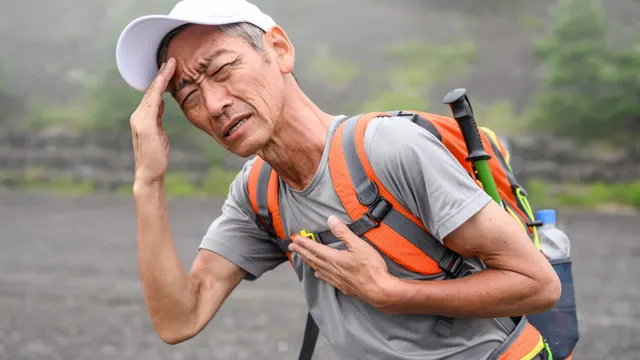
Important: no tea cures altitude sickness. If you have a severe headache that won’t go away, shortness of breath at rest, confusion or trouble walking, seek medical care. If you’re pregnant, breastfeeding or taking medication, check with your doctor before drinking herbs you don’t know. More information in our guide to altitude sickness in Cusco.
Emoliente and hot street drinks
On Cusco’s street corners, especially early in the morning and after dark, you’ll see carts with steaming pots. They sell emoliente, a hot drink that, according to the Andina news agency, is made with barley, flaxseed, horsetail, lemongrass, chamomile, lemon verbena and fruits such as pineapple, quince or apple, with a few drops of lime. It’s thick, sweet and comforting when it’s cold.
- A law for emoliente: Law 30198 recognizes street sales of emoliente as a self-employment microenterprise and sets February 20 as the Day of Emoliente, Quinoa, Maca, Kiwicha and other Traditional Natural Beverages.
- Other hot drinks: carts and markets also sell quinoa, maca or kiwicha drinks.
- Safely: the CDC considers drinks served steaming hot to be safe. Ask for it steaming, never lukewarm, and at a cart with customers.
Pisco and pisco sour: Peru’s flagship drink
Pisco is a grape brandy and Peru’s emblematic alcoholic drink. You’ll find it in any bar in Cusco, but it isn’t made here. It was the country’s first Designation of Origin, recognized on December 12, 1990, and only spirits produced on the coast of Lima, Ica, Arequipa and Moquegua and in the Locumba, Sama and Caplina valleys of Tacna can bear the name. Cusco, in the Andes, lies outside the pisco-producing zone.
According to INDECOPI, it’s made by distilling fresh, recently fermented musts of pisco grapes, with no added water, sugar or other ingredients. Double distillation is prohibited.
The pisco sour
It’s the country’s best-known cocktail: pisco, lime juice, syrup, egg white, which gives it its foam, and a few drops of bitters on top. National Pisco Sour Day is the first Saturday of February, under Ministerial Resolution 161-2004-PRODUCE.
How to recognize genuine pisco
Adulterated drinks are a real risk, and INDECOPI monitors the use of the designation. Check the following:
- The label says “Denominación de Origen Pisco” and shows the number of the authorization certificate, the type of pisco, the grape, the valley and the harvest year.
- Health registration number visible.
- Sealed bottle of glass or ceramic.
- Clear liquid, with no cloudiness or particles.
- In a bar, order your drink yourself, keep an eye on it and don’t accept drinks from strangers.
More tips for going out in Cusco at night, and the official warnings about adulterated drinks in Is Cusco safe?
Coffee, beer and other Cusco drinks
Coffee from La Convención
In the north of the region, La Convención province, whose capital is Quillabamba, drops down into the cloud forest and grows coffee. It’s home to one of Peru’s two coffee designations of origin, Café Machu Picchu-Huadquiña, granted by INDECOPI: it protects green arabica coffee from the hamlet of Huadquiña, in the district of Santa Teresa. According to the Andina news agency, nearby snowcapped peaks such as Salkantay and Humantay create a microclimate that makes the fruit ripen more slowly. The other designation is Café Villa Rica, from Pasco.
The province also stands out in specialty coffee competitions. Quillabamba hosted the International Specialty Coffee Fair in 2021, where the winners of the Cup of Excellence Peru were announced; of the four winners of the editions held up to 2020, two were growers from Cusco. Peruvian Coffee Day falls on the fourth Friday of August.
- Where to drink it: in the cafés of the center; look for La Convención, Quillabamba or Santa Teresa on the menu.
- See it up close: the Inca Jungle route passes through the cloud forest of Santa Teresa.
- If you drink coffee every day: don’t stop suddenly. The CDC advises carrying on to avoid a withdrawal headache that can be mistaken for altitude sickness.
Beer
Beer is everywhere: restaurants, soccer matches and, above all, patron saint and family festivals. Besides the national mass-produced beer, there’s craft beer. At Cusco festivals people will often offer you a glass: accepting is a courtesy, but you can drink little or explain that you’re still acclimatizing.
Juices and soft drinks
Freshly made fruit juices are another local custom, especially in markets. On Cusco tables you’ll also see a yellow national soft drink, hugely popular across the country. With juices, remember that the CDC advises avoiding juice squeezed by others if you aren’t sure about the water and hygiene: choose busy stalls and order without ice.
How to drink safely in Cusco: altitude, alcohol and water
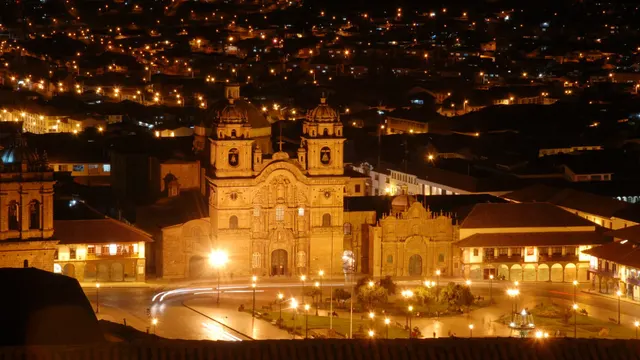
Cusco sits at about 3,399 m. The air is dry, you lose more water through breathing and your body needs a few days to adjust.
Alcohol and altitude
- No alcohol for the first 48 hours: that’s the CDC’s advice for anyone arriving at high altitude.
- Don’t drink to sleep: the CDC warns that alcohol depresses breathing during sleep.
- After that, in moderation: alternate each drink with water and eat something.
- Hangover or altitude sickness: the symptoms are similar. If you don’t improve with rest or you get worse, see a doctor.
- The night before a predawn excursion or a climb above 4,000 m: no alcohol.
What to drink by day of your trip
| Stage of the trip | What to drink | What to save for later |
|---|---|---|
| Days 1 and 2 | Bottled water, coca or muña tea, chicha morada, emoliente | Anything with alcohol, including chicha de jora and frutillada |
| Day 3 onward, if you feel well | Half a glass of chicha or frutillada with food; a pisco sour | Drinking a lot in a single night |
| Night before a predawn or high-mountain excursion | Water and a hot herbal tea | Alcohol and heavy dinners |
| Festival days | At your own pace, alternating with water | Drinks from strangers |
Tap water in Cusco
Don’t drink the tap water. That’s the U.S. CDC’s advice for destinations where tap water may be contaminated. In practice:
- Bottled water in factory-sealed containers. Check the seal.
- Or treat it: boiled, filtered or disinfected. A filter bottle saves plastic on treks.
- Brush your teeth with bottled or treated water.
- Be careful with ice when you don’t know where it comes from.
- Hot drinks: coffee, tea, herbal teas and emoliente are safe if served steaming hot.
Drink regularly: in Cusco’s dry air, dehydration causes symptoms similar to altitude sickness.
Summary: what to drink in Cusco, case by case
- You’ve just arrived: bottled water, coca or muña tea and chicha morada. No alcohol for 48 hours.
- You want the most traditional: chicha de jora in a picantería at midday, with food, after a few days in the city. Look for the red flag.
- You prefer something sweet: frutillada, in moderation: it has alcohol too.
- You don’t drink alcohol or you’re traveling with kids: chicha morada, herbal teas, emoliente and juices from busy stalls.
- You like cocktails: a pisco sour, made with pisco labeled with the Designation of Origin.
- You’re a coffee lover: look for beans from La Convención and don’t quit suddenly.
- Always: sealed or treated water, nothing from the tap.
To pair the drinks with food, see our guide to traditional Cusco food and, if you’re up for the most famous dish, our guide to guinea pig (cuy) in Cusco.
Frequently asked questions
What are the traditional drinks of Cusco?
Chicha de jora, frutillada, chicha morada, coca, muña and chamomile tea, and emoliente. People also drink a lot of pisco, beer and coffee from La Convención province.
What is chicha de jora?
It’s a fermented drink made with jora, sprouted corn, called wiñapu in Quechua. The corn is dried and ground, boiled, strained and left to ferment. It’s the traditional drink of chicherías and picanterías.
How much alcohol does chicha de jora have?
It has no fixed strength, because it’s homemade and spontaneously fermented. In a Universidad Nacional Mayor de San Marcos study of 83 samples from Abancay, alcohol ranged from 1.1% to 10.3%.
What does the red flag on houses in Cusco mean?
A pole with a red plastic bag or a red rag at the door means that chicha de jora is sold in that house. It’s the traditional sign of the chicherías.
What is frutillada?
It’s chicha de jora mixed with frutilla, as strawberries are called in Cusco. It’s pink and sweeter than plain chicha, but it also contains alcohol.
Does chicha morada have alcohol?
No. It’s a soft drink made by boiling purple corn with fruits such as pineapple or apple and spices such as cinnamon or cloves. Kids and newly arrived travelers can drink it.
Does coca tea help with altitude sickness?
There’s no evidence that it prevents it. It’s a traditional drink and legal in Peru, but it doesn’t replace acclimatization, it can cause a positive drug test and you shouldn’t take leaves or tea bags home.
What is emoliente?
It’s a hot drink of barley, flaxseed and herbs such as horsetail or lemongrass, with a few drops of lime, sold from street carts. Ask for it freshly served and steaming.
Is pisco made in Cusco?
No. The Pisco Designation of Origin only covers the coast of Lima, Ica, Arequipa and Moquegua and the Locumba, Sama and Caplina valleys in Tacna. Pisco is drunk in Cusco, mostly as pisco sour, but not made there.
Can you drink alcohol in Cusco with the altitude?
The CDC recommends avoiding it for the first 48 hours at altitude and not using it to sleep, because it depresses breathing during sleep. After that, drink in moderation and alternate with water.
Can you drink the tap water in Cusco?
It isn’t advisable for visitors. Drink sealed bottled, boiled or filtered water, use it to brush your teeth too and be careful with ice, as the CDC advises.
Is there coffee from Cusco?
Yes. La Convención province, whose capital is Quillabamba, grows arabica coffee, and Santa Teresa is home to the Café Machu Picchu-Huadquiña Designation of Origin, one of Peru’s two coffee designations.
Official sources
CuscoSacred Valley of the IncasInca Jungle

How we put this guide together
Written by Paul Pumalloclla · 17 years in tourism
- Official sources Prices, opening hours and rules checked against Peru’s Ministry of Culture, SERNANP, PromPerú and the train and bus operators.
- Sources cited Every guide links to the sources we used at the end.
- Always up to date When a rule changes, we update the guide and its date.
We’re not a travel agency: we don’t sell tours or take bookings. If a link belongs to a commercial partner, we label it next to the link, and that never changes the facts or the recommendations.
Guide history
- Published
- Last reviewed
Spotted something out of date?
Let us know and we’ll check it against the official source.
Report a change